
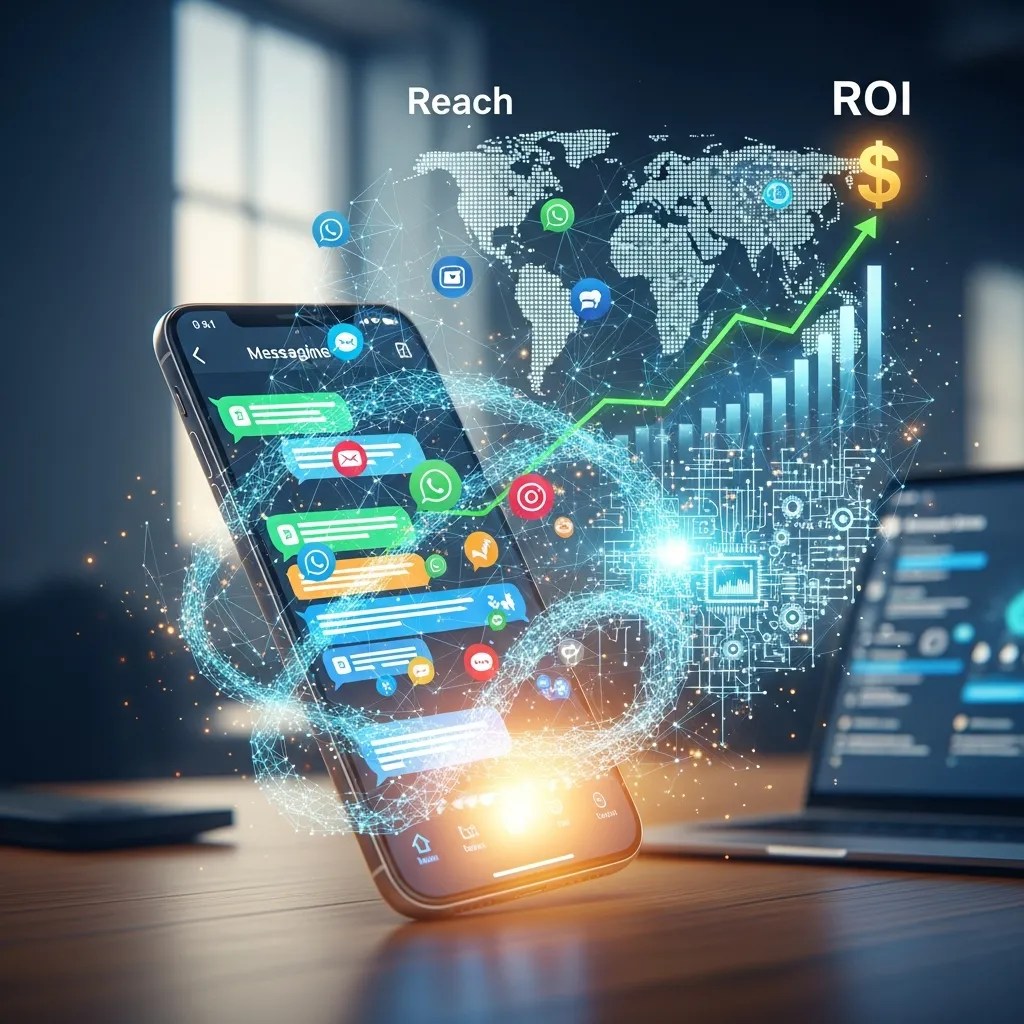
Bulk messaging automation streamlines communication, boosts engagement, and improves ROI through targeted, personalized campaigns. It helps businesses efficiently reach large audiences while reducing costs and maximizing marketing performance and conversions.
In today’s digital landscape, where immediacy shapes customer expectations, Bulk Messaging Automation has emerged as an indispensable strategy for brands aiming to engage large audiences with precision and speed. Organizations across industries are leveraging automated mass communication to deliver timely alerts, personalized promotions, and critical updates to thousands of contacts within minutes. By harnessing purpose-built platforms, marketers and customer success teams can ensure consistent brand voice, minimize manual errors, and unlock real-time insights into campaign performance. Rather than managing outreach one message at a time, automation empowers businesses to craft dynamic templates that adapt to recipient behavior, demographic data, and engagement history.
This comprehensive guide delves into the core facets of Bulk Messaging Automation—from understanding the strategic benefits and selecting the most effective channels, to building a clean contact list, crafting attention-grabbing content, and designing multi-step workflows. Along the way, you’ll discover best practices for maintaining compliance with regulations such as CAN-SPAM and GDPR, as well as pointers for optimizing deliverability and maximizing ROI. Whether you’re a small startup seeking rapid growth or an enterprise-level organization focused on customer retention, these insights will help you deploy scalable.
Why Embrace Bulk Messaging Automation?
Manual outreach efforts often become cumbersome when scaling to thousands of recipients. Each step—from drafting individual messages to managing unsubscribes—limits efficiency and heightens the risk of errors. Bulk Messaging Automation solves these challenges by centralizing campaign management in a single platform, enabling you to send thousands of messages with one click while preserving a personalized touch.
First, automation dramatically accelerates execution. Instead of copying and pasting content across dozens of interfaces, marketing teams can schedule campaigns in advance, freeing up time to focus on strategy and creative development. High-performing platforms synchronize with your CRM, product catalog, and analytics suite to automatically inject recipient names, locations, purchase histories, and behavior-triggered data into each message. The result is hyper-relevant communication that resonates with subscribers and drives higher engagement rates.
Second, consistency is essential for building trust and reinforcing brand identity. When every message adheres to predefined templates—complete with approved logos, color schemes, and legal disclaimers—customers receive the same unified experience. This level of cohesion reduces confusion, strengthens brand recall, and safeguards against compliance slip-ups that could harm sender reputation.
Automation also delivers robust analytics in real time. As messages hit inboxes or mobile devices, you can monitor delivery rates, open percentages, click-through data, and conversion events on a unified dashboard. These insights allow iterative optimization—tweaking subject lines, adjusting send times, or refining audience segments. Ultimately, the ability to measure and act on performance metrics empowers teams to refine campaigns continuously and maximize return on investment (ROI).
Selecting the Optimal Communication Channels
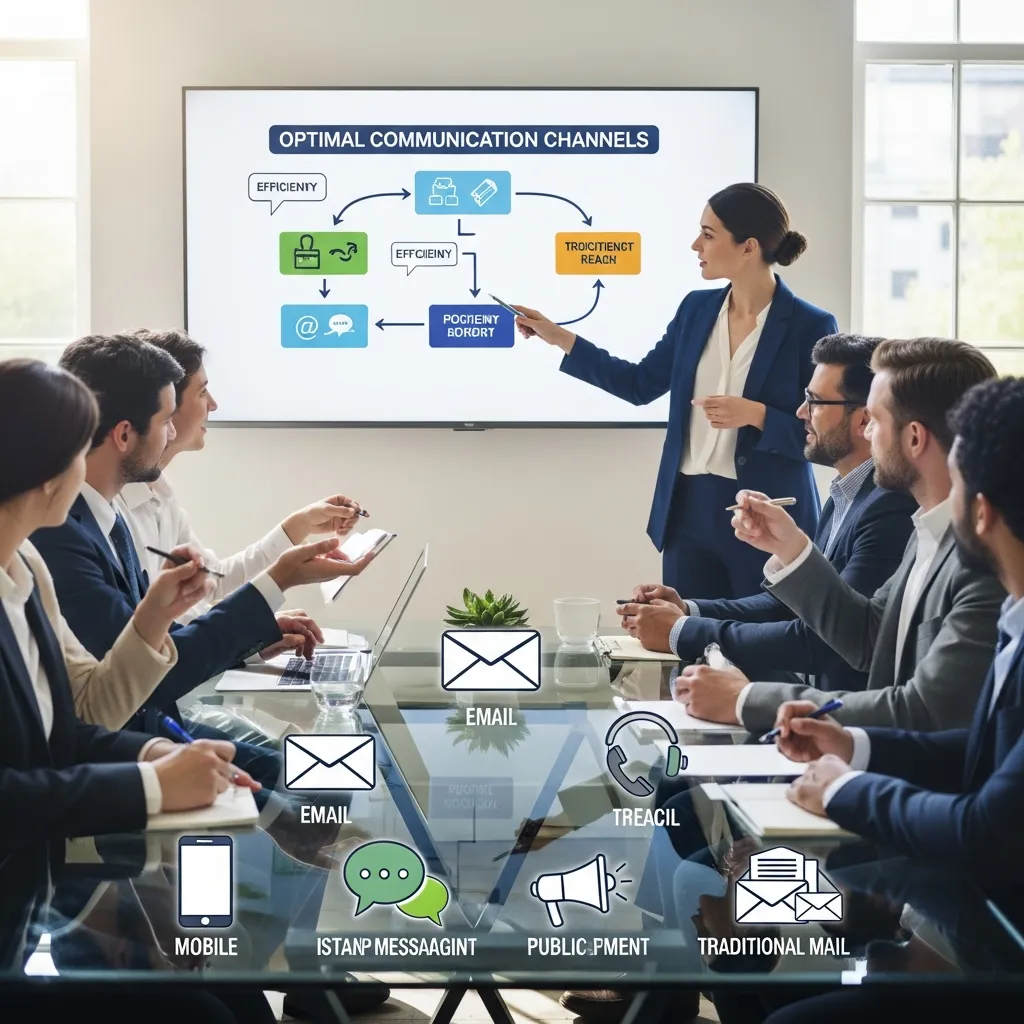 Choosing the right medium for your bulk messaging campaigns is critical to achieving high engagement and meeting audience expectations. While some customers prefer a quick SMS alert, others favor richer email newsletters or interactive chat app conversations. To make an informed decision, consider factors such as message urgency, content complexity, and subscriber preferences.
SMS: Instant and Ubiquitous
With open rates exceeding 98% within the first five minutes, SMS remains the go-to channel for time-sensitive notifications. Whether you’re sending appointment reminders, two-factor authentication codes, or flash sale alerts, text messages guarantee immediate visibility. Most smartphones display SMS as notifications by default, ensuring your message reaches the recipient’s attention without delay. However, SMS character limits and carrier restrictions require concise copywriting and judicious use of links.
Email: Flexible and Feature-Ric
Email offers unparalleled flexibility in design and content. From HTML templates with branded imagery to PDF attachments and embedded videos, email campaigns can educate, entertain, or inspire subscribers through in-depth storytelling. Drip sequences and autoresponders allow you to nurture prospects over time, delivering tailored content that aligns with each stage of the buyer’s journey. The trade-off is that inbox competition is fierce, and deliverability can suffer if your sender reputation or authentication protocols (SPF, DKIM, DMARC) aren’t properly configured.
Chat Apps (WhatsApp, Telegram, Facebook Messenger)
Chat-based platforms facilitate two-way conversations and support multimedia messages—images, audio clips, and carousels. Since these channels foster real-time interactions, they’re ideal for customer support, conversational commerce, and community building. Many chat services offer business APIs that integrate seamlessly with your automation stack, enabling you to trigger personalized messages based on user actions (e.g., abandoned cart prompts or status updates). Keep in mind that opt-in requirements and message templates may vary by provider, so it’s crucial to review each platform’s policy.
When evaluating channels for your next Bulk Messaging Automation initiative, map out the customer journey and identify touchpoints where each medium can deliver maximum impact. A hybrid approach often yields the best results: SMS for high-urgency alerts, email for rich content and nurture campaigns, and chat apps for interactive support and conversational marketing.
Building and Segmenting Your Audience
At the heart of every successful bulk messaging campaign lies a well-maintained, highly segmented contact list. Sending irrelevant messages to unqualified leads not only reduces engagement rates but also increases unsubscribe requests and potential regulatory risks. A strong audience foundation ensures that your Bulk Messaging Automation campaigns are both effective and compliant.
To optimize list health and relevance, businesses must go beyond simple data collection and adopt a strategic, data-driven approach. This includes gathering high-quality opt-ins, maintaining data accuracy, segmenting audiences intelligently, and empowering users with preference control.
Why Audience Segmentation Matters
A properly segmented audience allows businesses to deliver personalized, relevant, and timely messages. Instead of sending generic broadcasts, segmentation ensures that each subscriber receives content aligned with their interests and behavior.
Key Benefits of Segmentation
- Improves open and click-through rates
- Enhances customer experience and engagement
- Reduces unsubscribe and spam complaints
- Increases conversion and ROI
- Enables hyper-personalized communication
Audience Segmentation Overview
| Segmentation Type | Description | Example Use Case |
|---|---|---|
| Demographic | Based on age, gender, location | Sending regional offers |
| Behavioral | Based on user actions | Cart abandonment messages |
| Transactional | Based on purchase history | Upselling related products |
| Engagement-Based | Based on interaction levels | Re-engagement campaigns |
| Preference-Based | Based on user-selected interests | Content personalization |
Collect Opt-Ins Transparently
Gather contact information through clear, user-friendly touchpoints such as website signup forms, in-app prompts, social media lead generation ads, or point-of-sale registrations. Transparency is critical—users should always understand what they are signing up for and how their data will be used.
Including details about message frequency and content type helps set proper expectations and builds trust from the beginning. Implementing double opt-in workflows, where users confirm their subscription via an automated email or SMS, ensures that only genuine and interested users join your list. This not only prevents fake signups but also improves engagement quality over time.
Best Practices for Opt-Ins
- Use clear and concise signup forms
- Provide value (discounts, exclusive content, updates)
- Explain messaging frequency upfront
- Use double opt-in for verification
- Ensure compliance with data privacy laws
Validate and Cleanse Regularly
Maintaining a clean and accurate contact list is essential for high deliverability and sender reputation. Over time, contact databases can accumulate invalid, inactive, or duplicate entries that negatively impact campaign performance.
Leverage email and phone validation APIs to detect invalid or disposable addresses. Removing these contacts reduces bounce rates and ensures your messages reach real users. Regular list cleansing—performed monthly or quarterly—helps eliminate inactive subscribers and keeps your database healthy.
Monitoring engagement patterns is equally important. If a subscriber hasn’t opened or clicked any message in six months, consider moving them into a re-engagement campaign. If inactivity persists, removing them from your active list helps maintain efficiency and compliance.
List Cleansing Checklist
- Remove invalid and duplicate contacts
- Identify and suppress inactive users
- Monitor bounce and complaint rates
- Run re-engagement campaigns
- Apply sunset policies for inactive subscribers
Data Hygiene Impact
| Action | Impact on Campaign |
|---|---|
| Removing invalid emails | Improves deliverability |
| Eliminating duplicates | Prevents message redundancy |
| Cleaning inactive users | Boosts engagement rates |
| Validating phone numbers | Reduces SMS failures |
| Monitoring engagement | Enhances targeting accuracy |
Segment by Behavior and Demographics
Static lists are no longer effective in modern marketing. Instead, businesses should create dynamic audience segments that automatically update based on real-time user behavior and profile attributes.
Behavioral segmentation allows you to target users based on actions such as browsing activity, purchase frequency, or engagement history. For example, you can send targeted offers to users who viewed a product multiple times but didn’t purchase, or re-engage customers who haven’t interacted in the past 90 days.
Demographic segmentation further refines targeting by grouping users based on age, gender, location, or language. Combining behavioral and demographic data enables highly precise targeting, resulting in better engagement and higher conversion rates.
Segmentation Strategies
- Target repeat vs. first-time customers
- Segment based on purchase frequency
- Group users by geographic location
- Personalize based on browsing behavior
- Create segments for inactive users
Use Preference Centers
A preference center empowers subscribers to control how and what they receive from your brand. Instead of forcing users into a one-size-fits-all communication model, preference centers allow them to select topics of interest, preferred channels (SMS, email, chat), and message frequency.
This approach not only improves user satisfaction but also reduces unsubscribe rates. When users feel in control, they are more likely to stay engaged and trust your brand. Preference centers also provide valuable insights into customer preferences, helping refine your segmentation strategy further.
Benefits of Preference Centers
- Reduces opt-outs and complaints
- Builds trust and transparency
- Improves personalization accuracy
- Enhances user experience
- Provides valuable customer insights
Preference Center Features Table
| Feature | Benefit |
|---|---|
| Channel selection | Users choose SMS, email, or chat |
| Frequency control | Prevents message fatigue |
| Topic selection | Ensures relevant content |
| Easy unsubscribe | Maintains compliance |
| Profile updates | Keeps data accurate |
Creating Engaging Message Content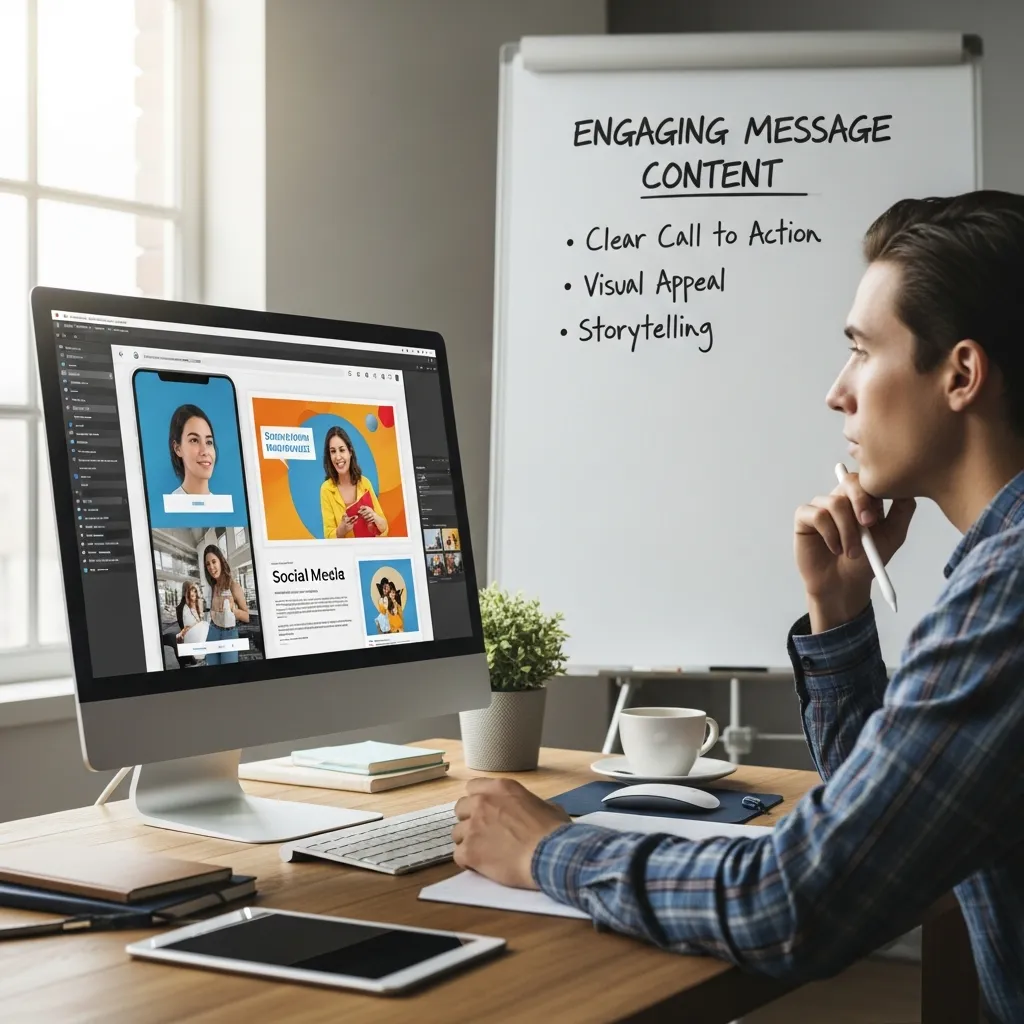
Once you’ve identified your audience and selected the appropriate channels, the next step is crafting messages that capture attention, communicate value, and drive action. Excellent copy combined with strategic design elements elevates your Bulk Messaging Automation efforts, ensuring recipients engage and convert.
Concise Subject Lines and Preheaders
For email campaigns, subject lines should be 30–60 characters at most. Aim for clarity and curiosity: mention a benefit or pose a question. Pair the subject line with an enticing preheader (60–90 characters) that expands on the offer or message theme. In SMS, limit your content to 160 characters and front-load the primary call-to-action or incentive.
Personalized Greetings and Dynamic Fields
Use merge tags to address recipients by first name or reference recent interactions (e.g., “We noticed you browsed running shoes yesterday”). By incorporating behavioral triggers and personalized details, you make each message feel like a one-to-one conversation rather than a mass blast.
Clear, Action-Oriented CTAs
Whether it’s a button in an email or a hyperlink in an SMS, your call-to-action should stand out visually and convey urgency: “Shop the Sale Now,” “Claim Your Discount,” or “Confirm Your Reservation.” Use action verbs, contrasting colors, and whitespace to direct focus to the CTA. In chat apps, utilize interactive buttons or quick-reply options to streamline conversions.
Value-Driven Copy and Visuals
Highlight the concrete benefits of your offer—exclusive savings, free shipping, or time-limited perks. In email, complement text with high-quality images or GIFs that illustrate your product or service in use. For SMS, consider including a shortened URL with a branded domain to reinforce credibility and track link clicks.
A/B Testing for Continuous Improvement
Set up A/B tests to experiment with different subject lines, messaging angles, or send times. Evaluate key performance indicators—open rate, click-through rate, conversion rate—and iterate based on data. Over time, small refinements in content, tone, or timing can yield significant uplifts in engagement and ROI.
By investing in thoughtful copywriting, design, and testing methodologies, you ensure that every automated message strengthens your relationship with subscribers and inspires them to take action.
Designing Automation Workflows and Drip Sequences
Automation workflows and drip campaigns form the backbone of targeted, lifecycle-driven communication. Rather than sending standalone messages, you can orchestrate multi-step sequences that guide subscribers through tailored experiences—from welcome introductions to post-purchase follow-ups.
Welcome Series
First impressions matter. A well-crafted welcome series introduces your brand story, outlines key benefits, and sets expectations for future messages. Typically, this sequence comprises three to five touchpoints—starting with a thank-you message, followed by educational content, social proof or testimonials, and a special onboarding offer.
Abandoned Cart & Browse Reminders
Recover potential lost revenue by automatically triggering reminders when shoppers leave items in their cart or browse specific categories without purchasing. Send a timely SMS or email within one hour of abandonment, followed by a second reminder 24 hours later with an additional incentive (e.g., free shipping or small discount).
Re-Engagement Flows
When subscribers become inactive, re-engagement workflows help rekindle interest. Craft a series of messages that highlight new product launches, exclusive promotions, or ask for feedback. If recipients remain unresponsive after three attempts, consider removing them from your primary list to maintain list health and reduce deliverability risks.
Post-Purchase Sequences
Automated follow-ups after a sale foster loyalty and encourage repeat business. Send an order confirmation, shipping notification, and a request for a review or testimonial. Subsequently, recommend complementary products based on purchase history and invite customers to join loyalty programs or referral schemes.
Compliance and Deliverability Considerations
Throughout your workflows, ensure compliance with messaging laws and protect your sender reputation. Adhere to CAN-SPAM and TCPA guidelines enforced by the FTC, and follow the data protection standards outlined in the GDPR guidelines. Include clear opt-out instructions (e.g., “Reply STOP to unsubscribe”) in every message. Monitor bounce rates, spam complaints, and sender scores closely to maintain high deliverability.
By combining event-triggered messages, timed drips, and compliance best practices, you create seamless, personalized journeys that nurture leads, recover lost sales, and cultivate brand advocates at scale.
Bulk Messaging Automation offers an unmatched opportunity to connect with large audiences swiftly, personally, and measurably. In 2026, forward-thinking organizations rely on automation to streamline workflows, personalize every interaction, and unlock actionable insights that drive growth. By selecting the optimal channels—SMS for immediacy, email for storytelling, and chat apps for interaction—you can craft holistic outreach strategies tailored to each stage of the customer lifecycle.
Success hinges on robust audience segmentation, persuasive content creation, and meticulously designed automation sequences. Equally important is maintaining regulatory compliance and monitoring deliverability to protect your brand’s reputation. With continuous testing and refinement, you’ll maximize engagement, boost conversion rates, and achieve substantial ROI gains.
Start small, iterate based on performance data, and build upon proven best practices. As you master Bulk Messaging Automation, you’ll transform mass communication into a high-touch, personalized experience that delights subscribers and accelerates business results in today’s dynamic marketplace.
FAQs: Bulk Messaging Automation – Enhance Reach and ROI
1. What is bulk messaging automation?
Bulk messaging automation is the use of software tools to send large volumes of messages (SMS, email, or push notifications) automatically based on predefined triggers, schedules, or user actions.
2. How does bulk messaging automation improve ROI?
It reduces manual effort, increases campaign efficiency, improves targeting accuracy, and boosts engagement—leading to higher conversions and better return on investment.
3. Which channels support bulk messaging automation?
Common channels include SMS, email, push notifications, and messaging apps like WhatsApp or Messenger, allowing businesses to reach audiences across multiple touchpoints.
4. What are the key features of bulk messaging automation tools?
Key features include audience segmentation, scheduling, personalization, analytics, A/B testing, and integration with CRM systems.
5. Is bulk messaging automation suitable for small businesses?
Yes, it is scalable and cost-effective, making it ideal for small businesses to reach a large audience without needing extensive marketing resources.
6. How can personalization improve bulk messaging campaigns?
Personalization increases relevance by tailoring messages based on user data, behavior, and preferences, resulting in higher engagement and conversion rates.
7. What is audience segmentation in bulk messaging?
Audience segmentation involves dividing users into specific groups based on demographics, behavior, or preferences to deliver more targeted and effective messages.
8. Are there legal considerations for bulk messaging?
Yes, businesses must follow regulations like GDPR or local privacy laws, obtain user consent, and provide opt-out options to ensure compliance.
9. How do you measure the success of bulk messaging campaigns?
Success is measured through metrics like open rates, click-through rates, conversion rates, delivery rates, and overall campaign ROI.
10. What are the best practices for bulk messaging automation?
Best practices include clear messaging, proper timing, audience segmentation, personalization, compliance adherence, and continuous performance analysis.
