

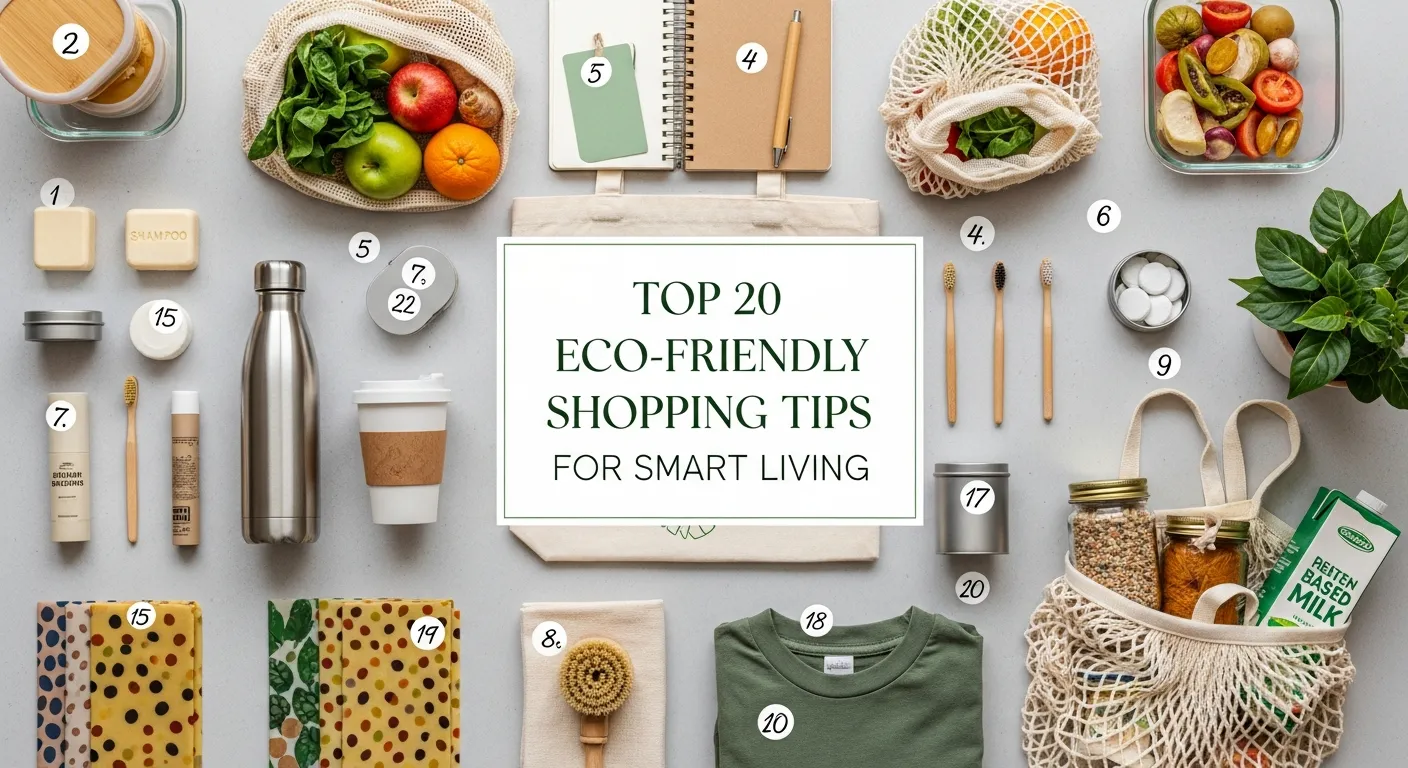
This guide explores the most effective Eco-Friendly Shopping Tips to help shoppers make sustainable decisions without sacrificing convenience. From choosing reusable products to supporting ethical brands, these actionable strategies can reduce waste, lower your carbon footprint, and promote responsible consumer habits.
Small shopping choices create a massive environmental impact. These Eco-Friendly Shopping Tips will help you reduce waste, save money, and make smarter, planet-friendly purchases every day.
Why Eco-Friendly Shopping Matters

Modern shopping habits influence pollution, carbon emissions, packaging waste, and natural resource consumption. Every purchase sends a signal to manufacturers about what consumers value. Sustainable shopping encourages brands to adopt greener practices and reduce environmental harm.
According to sustainability research, global waste continues to rise due to fast consumerism, disposable packaging, and overproduction. Making environmentally responsible buying decisions helps reduce landfill waste and protects natural ecosystems.
The best part? Eco-conscious shopping often saves money in the long run.
Here are the top Eco-Friendly Shopping Tips that can transform how you buy products.
1. Always Shop With a List
Impulse buying often leads to waste.
Before shopping:
- Make a clear list
- Buy only essentials
- Avoid duplicate products
A planned shopping approach reduces unnecessary spending and prevents products from going unused.
Why It Works
When shoppers stick to a list, they reduce overconsumption and avoid wasteful purchases.
2. Bring Reusable Bags
Plastic bags significantly contribute to environmental pollution.
Instead of single-use plastic:
- Carry reusable cloth bags
- Keep foldable shopping bags in your car
- Use stronger reusable grocery bags
Many countries now encourage reusable bags to reduce plastic waste.
3. Buy Products With Minimal Packaging
One of the easiest Eco-Friendly Shopping Tips is choosing products with less packaging.
Look for:
- Recyclable packaging
- Compostable materials
- Plastic-free alternatives
Avoid products wrapped in unnecessary layers of plastic.
Quick Comparison Table
| Option | Environmental Impact | Cost Efficiency |
|---|---|---|
| Heavy Plastic Packaging | High waste | Low |
| Minimal Packaging | Lower waste | Better |
| Compostable Packaging | Eco-friendly | Moderate |
4. Choose Reusable Over Disposable
Disposable items create long-term waste.
Replace:
- Plastic bottles → reusable bottles
- Paper towels → reusable cloths
- Plastic cutlery → metal alternatives
Though reusable products may cost more upfront, they reduce long-term expenses.
5. Support Sustainable Brands
Responsible brands prioritize:
- Ethical sourcing
- Fair labor practices
- Sustainable production
Research companies before buying products.
Helpful sustainability resources include the United Nations Sustainable Development Goals and Environmental Protection Agency for sustainability education.
6. Buy Local Whenever Possible
Local shopping reduces transportation emissions.
Benefits include:
- Fresher products
- Lower carbon footprint
- Support for local businesses
Farmers’ markets often offer environmentally friendly options.
7. Avoid Fast Fashion
Fast fashion contributes heavily to pollution.
Instead:
- Buy durable clothing
- Choose timeless styles
- Invest in quality over quantity
Sustainable fashion reduces textile waste significantly.
8. Purchase Second-Hand Items
Buying used products extends their lifespan.
Great second-hand purchases include:
- Furniture
- Clothing
- Books
- Electronics
This reduces manufacturing demand and keeps usable products out of landfills.
9. Choose Energy-Efficient Products
Energy-saving products reduce environmental impact.
Look for:
- Energy-efficient appliances
- LED lighting
- Durable electronics
These options lower electricity costs while reducing emissions.
10. Read Labels Carefully
Eco-conscious labels help identify sustainable products.
Look for:
- Organic certifications
- Cruelty-free labels
- Recyclable packaging indicators
Always verify claims to avoid greenwashing.
11. Buy in Bulk
Bulk buying helps reduce packaging waste.
Popular bulk items:
- Rice
- Beans
- Cleaning products
- Dry foods
Use reusable containers whenever possible.
12. Reduce Food Waste
Food waste damages the environment.
Smart shopping habits include:
- Meal planning
- Buying realistic quantities
- Proper storage
This reduces unnecessary spending and waste.
13. Carry Reusable Containers
Reusable containers are perfect for:
- Groceries
- Takeaway meals
- Snacks
Small habits create major environmental change.
14. Prioritize Durable Products
Cheap products often break quickly.
Before buying, ask:
- Will it last?
- Is it repairable?
- Does quality justify the cost?
Durability matters in sustainable shopping.
15. Avoid Single-Use Plastics
Single-use plastics harm oceans and wildlife.
Swap out:
- Plastic straws
- Disposable cups
- Plastic utensils
Choose long-lasting alternatives instead.
16. Shop Less, Buy Better
One overlooked Eco-Friendly Shopping Tip is intentional buying.
Ask yourself:
“Do I really need this?”
Mindful shopping reduces clutter and waste.
17. Use Eco-Friendly Cleaning Products
Choose cleaning products with:
- Plant-based ingredients
- Recyclable packaging
- Low-toxic formulas
This reduces chemical pollution at home.
18. Check Product Lifecycles
Consider how products are made, shipped, and disposed of.
Questions to ask:
- Is it recyclable?
- Is it ethically produced?
- Can it be reused?
Lifecycle awareness helps shoppers make smarter choices.
19. Recycle Properly
Shopping responsibly also means disposing responsibly.
Learn local recycling guidelines and separate recyclable materials correctly.
Reliable waste education is available through World Wildlife Fund.
20. Educate Yourself Continuously
Sustainable shopping trends evolve.
Stay updated through trusted environmental organizations and research-based resources.
Common Mistakes to Avoid
Even environmentally conscious shoppers make mistakes.
Avoid these common problems:
- Buying eco-labeled products without verification
- Overbuying reusable products unnecessarily
- Ignoring product durability
- Choosing convenience over sustainability
- Falling for greenwashing marketing
Expert Insights for Smarter Shopping
Experts recommend starting small.
You do not need to become perfectly sustainable overnight.
Start with simple Eco-Friendly Shopping Tips such as:
- Carrying reusable bags
- Reducing plastic
- Buying local
- Choosing durable products
Consistency matters more than perfection.
Making better buying decisions starts with awareness. These Eco-Friendly Shopping Tips help reduce waste, save money, and support a healthier environment. Start small, shop intentionally, and inspire others to make sustainable choices that benefit both people and the planet.
FAQs
1. What are Eco-Friendly Shopping Tips?
Eco-Friendly Shopping Tips are practical strategies that help people buy products responsibly while reducing environmental impact.
2. Why is eco-friendly shopping important?
It reduces waste, lowers pollution, conserves natural resources, and supports sustainable businesses.
3. How can I shop sustainably on a budget?
Buy reusable products, purchase second-hand items, and prioritize durable goods.
4. Does eco-friendly shopping save money?
Yes. Reusable and long-lasting products often reduce spending over time.
5. How do I identify sustainable brands?
Check certifications, ethical sourcing policies, and environmental commitments.
6. Is buying local better for the environment?
Often yes, because local products usually require less transportation.
7. What should I avoid when shopping sustainably?
Avoid impulse purchases, greenwashing, and excessive packaging.
8. Are reusable products always better?
Generally yes, especially when used repeatedly over time.
9. How can I reduce plastic waste while shopping?
Bring reusable bags, containers, and avoid single-use products.
10. What is the easiest eco-friendly shopping habit?
Carrying reusable shopping bags is one of the simplest and most effective habits.
