


Bulk messaging tactics help businesses send targeted, personalized messages to large audiences efficiently. By using segmentation, timing, and the right channels, these strategies improve engagement, boost conversions, and strengthen customer relationships for better marketing results.
Bulk messaging tactics are essential for modern businesses aiming to reach large audiences quickly and effectively. These strategies use SMS, email, and messaging apps to deliver timely and relevant content at scale. By applying smart bulk messaging tactics, businesses can improve engagement, increase conversions, and build stronger customer relationships. Success depends on personalization, segmentation, and proper timing. In today’s competitive digital landscape, well-planned bulk messaging tactics help brands communicate efficiently and achieve better marketing results.
Understanding Bulk Messaging Strategies
Bulk messaging tactics involve sending messages to a large audience at the same time using channels like SMS, email, and messaging apps. These methods help businesses communicate quickly, efficiently, and consistently with their customers. The success of effective communication strategies depends on proper targeting, timing, and personalization. Companies use these methods to promote products, share updates, and improve customer engagement. When applied correctly, these approaches can increase open rates, boost conversions, and strengthen brand awareness. However, poorly planned campaigns may lead to low engagement or unsubscribes. Understanding the basics allows businesses to build a strong foundation for effective communication. A well-planned approach ensures messages are relevant, timely, and aligned with audience expectations.
Importance of Audience Segmentation
 Audience segmentation is a vital part of successful messaging strategies. Instead of sending identical messages to all users, businesses divide their audience into smaller groups based on behavior, interests, purchase history, or demographics. This makes communication more targeted, relevant, and effective. Segmentation ensures that each group receives personalized content that matches their needs. For example, new customers may get onboarding messages, while returning customers receive special offers or loyalty rewards. These bulk messaging tactics improve engagement, response rates, and customer satisfaction. Without proper segmentation, messages often feel generic and less appealing. Strong audience grouping helps businesses communicate more meaningfully, build trust, and strengthen relationships. Effective bulk messaging tactics always depend on precise segmentation for better results.
Personalization for Better Engagement
Personalization is one of the most powerful elements of modern bulk messaging tactics. Customers respond better when messages are tailored to their needs and preferences. By using data such as names, purchase history, and browsing behavior, businesses can improve the effectiveness of bulk messaging tactics. Personalized messages create stronger connections and build trust, leading to higher engagement rates. Even simple details like using a customer’s name can significantly boost responses. Instead of generic promotions, bulk messaging tactics focused on personalization deliver more meaningful communication. This approach increases open rates, click-through rates, and conversions. When combined with automation, personalization helps scale bulk messaging tactics while maintaining a human touch, making communication more impactful, relevant, and customer-centered.
Choosing the Right Messaging Channels
Choosing the right platform is essential for effective bulk messaging tactics. Different channels such as SMS, email, and messaging apps, serve different communication purposes and audience needs. SMS is best for urgent alerts and time-sensitive updates, while email is more suitable for detailed content, newsletters, and promotional campaigns. Successful bulk messaging tactics depend on selecting channels that align with user behavior and preferences. Understanding where your audience is most active improves message delivery, engagement, and response rates. Many businesses use multiple platforms to maximize reach, but consistency in messaging is equally important. Factors like cost, delivery speed, and user experience also influence decisions. Well-planned bulk messaging tactics ensure communication is efficient, timely, and impactful across all chosen channels.
Crafting Compelling Message Content
 Content quality plays a major role in the success of bulk messaging tactics. Messages should be clear, concise, and valuable to the audience. Strong bulk messaging tactics focus on delivering useful information instead of overly promotional content. A compelling message includes a strong headline, simple language, and a clear call-to-action. Since most users read messages on mobile devices, readability is essential. Well-structured content increases engagement and response rates. Businesses should test different styles and formats to see what works best. Effective bulk messaging tactics also ensure that each message aligns with the brand voice while providing real value. High-quality content not only improves user experience but also strengthens trust, making bulk messaging tactics more powerful and result-driven.
Timing and Frequency Optimization
Timing is a critical factor in successful bulk messaging tactics. Sending messages at the right time increases the chances of engagement and conversions. For example, promotional messages perform better during peak activity hours, while informational messages are more effective during working hours. Bulk messaging tactics must also consider frequency to avoid overwhelming users. Too many messages can lead to unsubscribes, while too few may reduce visibility. Finding the right balance is essential for maintaining audience interest. Businesses should analyze user behavior and test different schedules to improve performance. Effective timing ensures that bulk messaging tactics deliver messages when users are most likely to respond, increasing overall campaign effectiveness and preventing message fatigue.
Measuring Performance and Analytics
Tracking performance is essential for improving messaging strategies. Businesses must monitor key metrics such as open rates, click-through rates, and conversion rates to evaluate success. These insights help identify what is working and what needs improvement. Data analysis allows businesses to refine targeting, messaging content, and timing. Regular testing of different approaches helps optimize performance over time. Analytics tools provide detailed reports that guide decision-making and campaign adjustments. Without measurement, it is difficult to understand effectiveness. Data-driven decisions ensure continuous improvement and better results. By analyzing performance regularly, businesses can refine their approach and make their messaging systems more efficient, impactful, and profitable over time.
A/B Testing for Message Optimization
 A/B testing is a powerful method to improve communication performance by comparing two or more message variations. In bulk messaging tactics, A/B testing helps businesses identify which subject lines, content styles, or calls-to-action perform best with their audience. By testing different versions of messages, companies can make data-driven decisions instead of guessing what works. This approach improves engagement rates, conversions, and overall campaign success. Bulk messaging tactics become more effective when every element is tested and optimized. Continuous experimentation ensures messages stay relevant and impactful. Over time, businesses can refine their strategies and achieve stronger results through consistent performance improvements.
Key Points
- Test different message variations for better results
- Improves open rates and click-through rates
- Helps identify audience preferences
- Reduces guesswork in campaign planning
- Strengthens overall bulk messaging tactics performance
| Element Tested | Version A Example | Version B Example | Best Outcome Indicator |
|---|---|---|---|
| Subject Line | “Special Offer Inside” | “Don’t Miss Your Discount” | Higher open rate |
| Call-to-Action | “Buy Now” | “Grab Your Deal Today” | Higher clicks |
| Message Tone | Formal | Friendly | Better engagement |
| Timing | Morning Send | Evening Send | Higher response rate |
Compliance and Best Practices
Compliance is a crucial part of responsible communication strategies. Businesses must follow legal guidelines to ensure user privacy and trust. This includes obtaining user consent before sending messages and providing easy opt-out options. Ethical communication practices help build long-term credibility and prevent legal issues. Transparency in messaging ensures that customers feel safe and respected. Following best practices also improves brand reputation and engagement rates. Ignoring compliance can lead to penalties and loss of trust. Businesses must ensure their messaging strategies are both effective and ethical. By respecting user preferences and maintaining honesty, companies can create sustainable communication systems that benefit both the business and its audience in the long run.
Automation and Technology Integration
Automation significantly improves the efficiency of messaging campaigns by simplifying message delivery and management. With modern tools, businesses can schedule campaigns, trigger messages based on user actions, and monitor performance in real time. These strategies reduce manual effort while ensuring consistency across all communications. Integration with customer relationship management systems enables better targeting and personalization, helping businesses reach the right audience at the right time. Automation also reduces delays and improves user experience, resulting in higher engagement rates. By combining automation with a smart strategy, companies can scale their communication efforts effectively while maintaining quality. Technology-driven systems help save time, reduce human errors, and allow teams to focus more on strategy, creativity, and content development for improved results.
Customer Retention Through Messaging
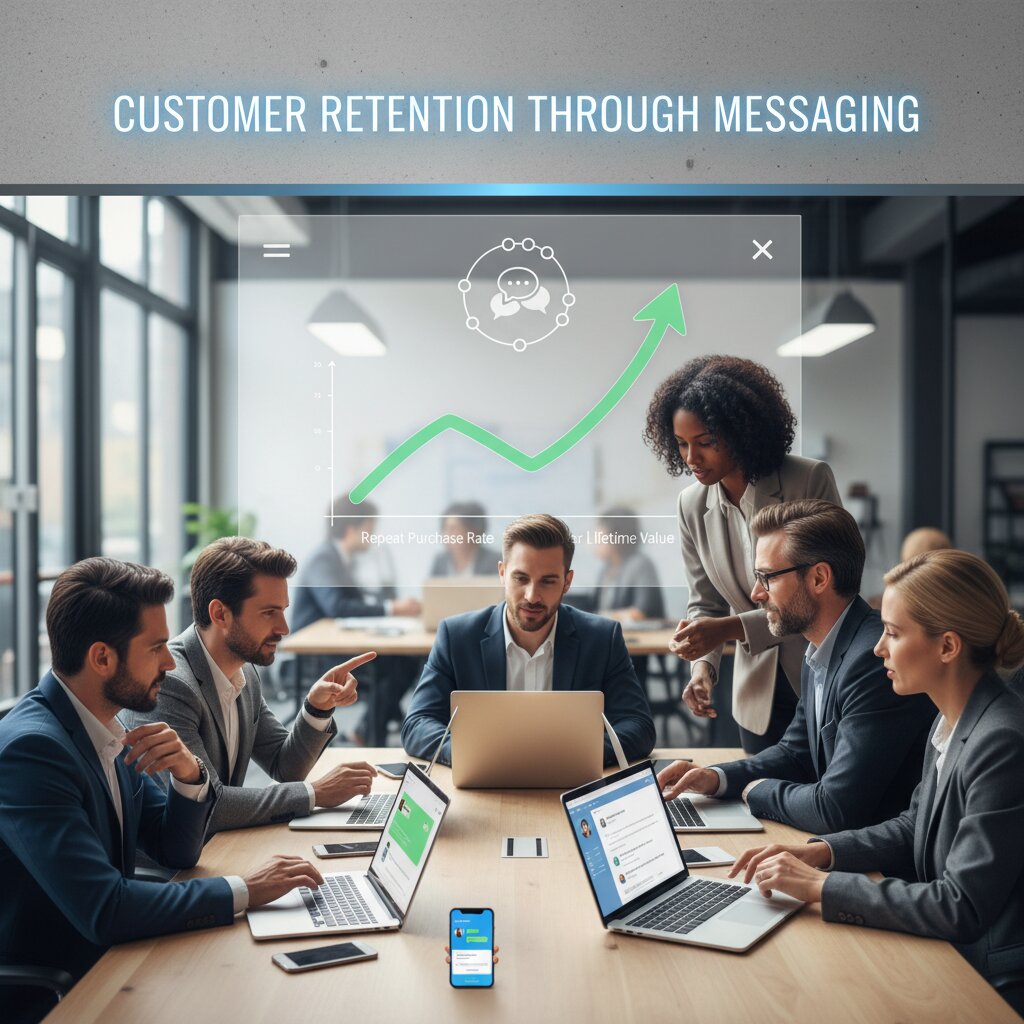 Customer retention is one of the most important goals of modern communication strategies. Bulk messaging tactics play a major role in keeping customers engaged after their first interaction. By sending follow-ups, loyalty rewards, and personalized updates, businesses can maintain long-term relationships. Retaining customers is more cost-effective than acquiring new ones, making this strategy highly valuable. Effective bulk messaging tactics ensure consistent communication that builds trust and encourages repeat engagement. When customers feel valued, they are more likely to stay loyal and recommend the brand to others. A well-planned retention strategy increases lifetime value and strengthens brand reputation.
Key Points
- Focuses on long-term customer relationships
- Encourages repeat purchases and loyalty
- Uses personalized follow-ups and rewards
- Improves customer lifetime value
- Strengthens brand trust through bulk messaging tactics
| Strategy Type | Purpose | Example Message | Expected Result |
|---|---|---|---|
| Welcome Follow-up | Engage new customers | “Thanks for joining us!” | Higher onboarding rate |
| Loyalty Rewards | Retain existing customers | “You earned a special discount!” | Increased repeat sales |
| Re-engagement Msg | Win back inactive users | “We miss you! Here’s 10% off.” | Reactivation |
| Feedback Requests | Improve service quality | “Tell us how we did.” | Better customer insights |
Future Trends in Bulk Messaging
The future of bulk messaging tactics is evolving rapidly with advancements in technology. Artificial intelligence and machine learning are making messaging more personalized and predictive. These bulk messaging tactics allow businesses to understand customer behavior and deliver highly relevant content. Interactive messaging and chat-based platforms are also becoming more popular, increasing engagement levels. Businesses are now focusing on real-time communication and smarter automation systems. As digital communication continues to grow, these bulk messaging tactics will become more advanced and data-driven. Companies that adapt to these changes will gain a competitive advantage. Embracing new technologies ensures messaging strategies remain effective, scalable, and relevant in a fast-changing digital landscape, helping businesses maintain strong customer relationships and long-term success.
Conclusion
Bulk messaging tactics play a vital role in modern digital communication by helping businesses reach large audiences quickly and effectively. When applied correctly, these bulk messaging tactics improve engagement, increase conversions, and strengthen customer relationships. Success depends on key factors such as segmentation, personalization, timing, and choosing the right channels. Businesses that use data-driven and well-planned bulk messaging tactics can deliver more relevant and impactful messages. However, maintaining compliance and respecting user preferences is equally important. Overall, strategic bulk messaging tactics ensure consistent communication, better performance, and long-term business growth in a competitive digital environment.
Frequently Asked Questions
1: What are bulk messaging tactics?
Bulk messaging tactics are strategies used to send messages to a large audience at once through SMS, email, or apps. They help businesses communicate efficiently, improve engagement, and deliver timely updates while maintaining consistency and personalization across different customer groups.
2: Why are bulk messaging tactics important for businesses?
Bulk messaging tactics are important because they help businesses reach customers quickly, improve communication efficiency, and increase engagement. These tactics support marketing campaigns, boost conversions, and allow brands to deliver personalized messages at scale, making customer interactions more effective and impactful overall.
3: How does audience segmentation improve bulk messaging tactics?
Audience segmentation improves bulk messaging tactics by dividing users into smaller groups based on behavior, interests, or demographics. This ensures messages are more relevant and personalized, leading to higher engagement rates, better customer satisfaction, and stronger long-term relationships with the audience.
4: What role does personalization play in bulk messaging tactics?
Personalization plays a key role in bulk messaging tactics by making messages more relevant and engaging. Using customer data like names or purchase history helps create tailored communication, which increases trust, improves response rates, and encourages stronger customer interaction with the brand.
5: Which channels are best for bulk messaging tactics?
The best channels for bulk messaging tactics include SMS, email, and messaging apps. SMS works well for urgent alerts, email is ideal for detailed content, and apps support interactive communication. Choosing the right channel depends on audience behavior and campaign goals.
6: How often should businesses use bulk messaging tactics?
The frequency of bulk messaging tactics depends on audience preference and campaign type. Sending too many messages may cause unsubscribes, while too few reduce visibility. A balanced schedule ensures consistent engagement without overwhelming users, maintaining interest and improving overall campaign performance effectively.
7: What is A/B testing in bulk messaging tactics?
A/B testing in bulk messaging tactics involves sending two variations of a message to see which performs better. Businesses compare subject lines, content, or timing to improve engagement. This data-driven approach helps optimize campaigns and increase overall messaging effectiveness.
8: How can analytics improve bulk messaging tactics?
Analytics improve bulk messaging tactics by tracking performance metrics like open rates, click-through rates, and conversions. These insights help businesses understand what works best, optimize campaigns, refine targeting, and continuously improve messaging strategies for better engagement and higher returns.
9: Are bulk messaging tactics legal and safe?
Yes, bulk messaging tactics are legal and safe when businesses follow regulations, obtain user consent, and provide opt-out options. Ethical practices ensure privacy protection, build trust, and prevent legal issues while maintaining strong and responsible communication with the audience.
10: What is the future of bulk messaging tactics?
The future of bulk messaging tactics includes AI-driven personalization, predictive messaging, and interactive communication. Businesses will rely more on automation and real-time engagement. These advancements will make messaging more efficient, targeted, and impactful for building stronger customer relationships and improving marketing results.
