

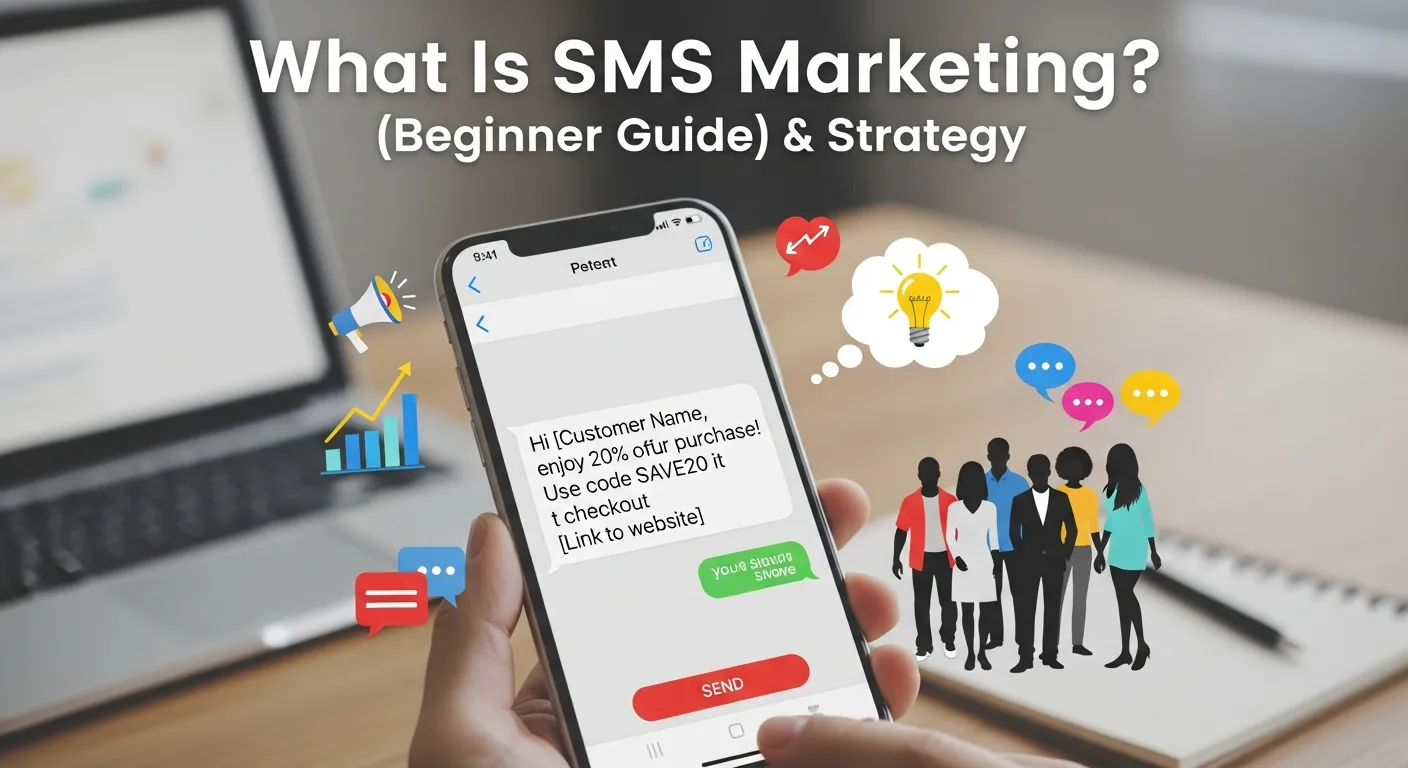
Welcome to our comprehensive What Is SMS Marketing? (Beginner Guide). Discover how sending targeted text messages transforms business communication, drives instant engagement, and accelerates revenue growth. If you’re curious about SMS marketing’s impact, industry studies from Twilio, WebFX, and Square highlight its powerful results and proven strategies.
This guide covers everything necessary to launch successful text campaigns. You will learn core benefits, step-by-step setup instructions, essential best practices, and advanced strategies. We also compare top platforms and highlight common mistakes to ensure your messaging strategy delivers maximum return on investment.
The Fundamentals of Text Message Campaigns
Understanding the core concepts forms the foundation of any successful digital strategy. What Is SMS Marketing? (Beginner Guide) principles dictate that short message service marketing involves sending promotional campaigns, transactional alerts, or customer service updates directly to a user’s mobile phone via text message. You send these messages only to customers who explicitly opt in to receive them.
Businesses use this channel to deliver time-sensitive offers, urgent updates, and personalized content. Because text messages reach consumers directly on their mobile devices, they cut through the digital noise that often buries emails or social media posts. You create a direct line of communication that fosters trust, builds brand loyalty, and encourages immediate action.
When asking What Is SMS Marketing? (Beginner Guide) users must understand the difference between promotional texts and transactional texts. Promotional texts include flash sales, exclusive discount codes, and product launch announcements. Transactional texts include order confirmations, shipping updates, and appointment reminders. Both types play a crucial role in a well-rounded marketing strategy.
Exploring the Benefits of SMS Marketing for Businesses
Implementing a text-based strategy offers numerous advantages for companies of all sizes. Exploring the Benefits of SMS Marketing for Businesses reveals why so many brands prioritize this channel. According to recent data from Gartner, SMS campaigns deliver some of the highest open and response rates compared to other channels. The experts at Twilio note that nearly 98% of text messages are opened, demonstrating the power of direct engagement via mobile. These findings are echoed by industry research from Techjury, further proving that SMS marketing drives immediate attention and consistent results for businesses seeking fast, cost-effective communication.
First, text messages boast incredibly high open rates. Data shows that users open nearly every text message they receive, usually within minutes of delivery. This immediacy makes texting the perfect medium for flash sales, event reminders, or urgent notifications.
Second, this channel drives exceptional engagement. Customers respond to text messages at a much higher rate than emails. You can use this engagement to collect feedback, conduct surveys, or prompt users to click a link leading to your digital storefront.
Third, text messaging integrates seamlessly with your existing marketing channels. You can use texts to support your email campaigns, remind users about abandoned shopping carts, or promote your social media giveaways. By combining forces, you amplify your brand’s overall reach.
Finally, text marketing delivers a strong return on investment. The cost per message remains relatively low, while the conversion rates stay consistently high. You spend less money to acquire and retain customers, which ultimately boosts your bottom line.
SMS Marketing vs. Email Marketing: Which Is Better?
Marketers frequently ask: SMS Marketing vs. Email Marketing: Which Is Better? The truth is, you need both. Each channel serves a distinct purpose and offers unique strengths. For more on this, Twilio’s SMS marketing overview and Square’s SMS marketing guide both highlight the advantages of combining SMS and email to create a unified, omnichannel experience. You can also reference HubSpot’s analysis of SMS vs. email marketing for industry-backed comparisons.
Email marketing works best for long-form content, detailed newsletters, and complex storytelling. You use email when you need to share multiple images, explain a new product line thoroughly, or provide comprehensive educational resources. Email allows for creative design and extensive formatting.
Text marketing, on the other hand, excels at delivering short, urgent, and highly actionable information. You use texts when you want the customer to take immediate action. The character limit forces you to keep your message concise and direct.
Instead of choosing one over the other, smart marketers combine them. You might send an email detailing your upcoming weekend sale on Thursday, and then follow up with a text message on Saturday morning to remind your most engaged subscribers that the sale ends soon. This dual approach maximizes your visibility and drives higher conversion rates.
How to Get Started with SMS Marketing (Step-by-Step)
Launching your first campaign requires careful planning. If you want to know How to Get Started with SMS Marketing, follow these essential steps to ensure success. For a detailed overview of foundational steps, see Twilio’s beginner SMS marketing guide and WebFX’s SMS marketing introduction, both of which offer practical tips for new users. You can also explore Square’s small business SMS marketing tutorial for how industry leaders implement opt-in strategies and effective list growth.
Step 1: Choose the Right Platform
You need a reliable software provider to manage your subscribers and send mass messages. Look for a platform that offers robust automation, detailed analytics, and seamless integration with your existing customer relationship management software.
Step 2: Build Your Subscriber List Legally
You must obtain explicit permission before texting anyone. Create compelling opt-in offers, such as a discount code for new subscribers. Promote your text club on your website checkout page, social media profiles, and physical store signage. Always comply strictly with SMS Compliance & Regulations.
Step 3: Define Your Goals and Metrics
Identify exactly what you want to achieve with your campaigns. Do you want to drive website traffic, increase in-store foot traffic, or reduce customer service call volume? Establish clear key performance indicators, such as open rates, click-through rates, and total conversions, so you can measure your success accurately.
Step 4: Craft Your First Message
Keep your text short, clear, and valuable. Identify your brand immediately so the recipient knows who the message comes from. Include a strong, singular call to action. Provide a clear opt-out method in every message, such as “Reply STOP to cancel.”
Step 5: Test, Analyze, and Optimize
Send your message and monitor the results closely. Pay attention to which times of day generate the best response rates. Use A/B testing to experiment with different offers, wording, and calls to action. Continuously refine your approach based on the data you collect.
Best Practices for SMS Campaign Strategies
To maximize your results, you must implement proven SMS Campaign Strategies. Following these best practices ensures your audience remains engaged and your unsubscribe rates stay low. For an in-depth exploration of successful approaches, review the Gartner guide to SMS marketing and consult Twilio’s best practices for SMS. For additional strategies, the FCC’s SMS compliance resources offer guidance on delivering valuable messaging while avoiding legal pitfalls.
Always provide immediate value. Your subscribers gave you access to their most personal inbox, so you must reward that trust. Offer exclusive discounts, early access to new products, or valuable insider tips that they cannot find anywhere else.
Personalize your messages whenever possible. Use the subscriber’s first name, reference their past purchase history, or tailor the content based on their geographic location. Personalized texts feel more like a conversation with a friend and less like a corporate broadcast.
Pay close attention to timing. You should never send marketing texts early in the morning or late at night. Respect your subscribers’ time zones and aim for mid-morning or late afternoon deliveries, depending on your audience’s typical routine.
Keep your frequency reasonable. Sending too many messages will annoy your audience and cause them to opt out. Aim for two to four highly relevant messages per month, unless you run a specific, time-bound promotional event.
Common SMS Marketing Mistakes to Avoid
Even experienced marketers sometimes stumble. Review these Common SMS Marketing Mistakes to Avoid to keep your campaigns on the right track.
Failing to get proper consent ranks as the most severe mistake you can make. Sending unsolicited texts violates privacy laws and will permanently damage your brand’s reputation. Always use a clear double opt-in process.
Sending generic, boring content also hurts your campaigns. If your messages sound like a robot wrote them, your audience will ignore them. Inject your brand’s unique personality into every text.
Forgetting to identify your brand confuses recipients. Because texts come from short codes or toll-free numbers, users will not automatically know who is messaging them. Always start your text with your company name.
Using too much slang or confusing abbreviations makes your message look unprofessional. While you face character limits, you should still use proper spelling and clear language to ensure everyone understands your offer.
Comparing Top SMS Marketing Tools & Platforms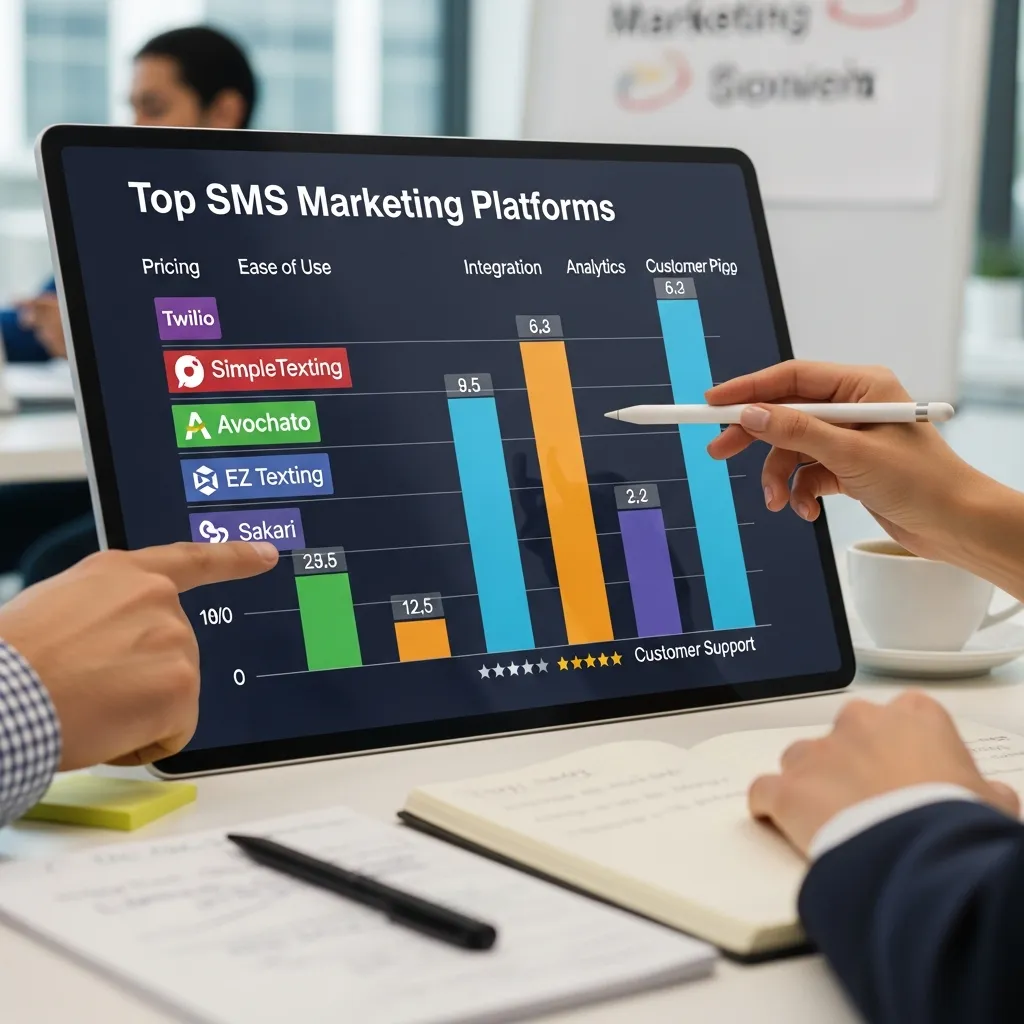
Choosing the right software makes managing your campaigns much easier. Use this comparison table to evaluate popular features among leading providers.
|
Feature |
Basic Platforms |
Advanced Platforms |
Enterprise Solutions |
|---|---|---|---|
|
Target Audience |
Small local businesses |
Growing e-commerce brands |
Large multinational corporations |
|
Automation Capabilities |
Simple auto-responders |
Drip campaigns and behavior triggers |
Complex omnichannel workflows |
|
Personalization |
First name tags |
Purchase history dynamic insertion |
AI-driven predictive personalization |
|
Analytics |
Basic open and click rates |
Revenue tracking and ROI reporting |
Custom dashboards and data exporting |
|
Integration |
Basic email tools |
CRM and e-commerce platforms |
Custom API and legacy systems |
Select the tool that best aligns with your current budget and your long-term growth objectives.
Advanced SMS Marketing Techniques
Once you master the fundamentals covered in this What Is SMS Marketing? (Beginner Guide), you can explore advanced techniques to scale your revenue further.
Implement behavior-based triggers to automate your messaging. If a customer visits a specific product page three times but does not purchase, automatically send them a text offering a 10% discount on that exact item.
Use location-based targeting to drive foot traffic. If you operate physical retail stores, you can send text alerts to subscribers when they enter a specific geographic radius around your location, inviting them in for a special deal.
Leverage two-way conversational messaging to improve customer support. Allow customers to reply directly to your marketing texts with questions about the product. Route these replies to your customer service team to close sales in real-time.
Pro Tips and Expert Insights
Industry leaders rely on specific tactics to keep their text campaigns highly profitable. Here are expert insights to elevate your strategy:
Segment your audience relentlessly. Treat your frequent buyers differently than your one-time purchasers. Send VIP offers to your most loyal customers to make them feel valued, while sending re-engagement campaigns to users who have not purchased recently.
Always create a sense of urgency. Text messaging thrives on immediate action. Use phrases like “Today Only,” “Flash Sale,” or “Limited Stock” to encourage subscribers to click your link right away.
Optimize your mobile landing pages. When a user clicks a link in your text message, they land on your website using their smartphone. Ensure that page loads lightning-fast, features large buttons, and offers a seamless mobile checkout experience. If your mobile site functions poorly, your text campaigns will fail to convert.
Conclusion
Mastering the concepts in this What Is SMS Marketing? (Beginner Guide) empowers you to connect with customers instantly and drive measurable revenue. By securing proper consent, delivering massive value, and personalizing your approach, you build loyalty that outlasts any single promotion. Start building your subscriber list today and watch your business communication transform.
FAQs
What is SMS marketing?
SMS marketing involves sending promotional messages, alerts, and notifications directly to customers’ mobile phones via text message. Businesses use this channel to deliver time-sensitive offers and drive immediate engagement from audiences who have opted in to receive communications.
Do I need permission to send marketing texts?
Yes, you absolutely need explicit permission to send marketing text messages. You must use a clear opt-in process where customers actively agree to receive your promotional texts, ensuring you remain compliant with privacy laws and regulations.
How often should I send marketing texts to my customers?
You should aim to send between two and four highly relevant text messages per month. Sending messages too frequently annoys subscribers and increases opt-out rates, while sending them too rarely causes customers to forget about your brand.
What is the difference between SMS and MMS marketing?
SMS stands for short message service and includes text-only messages up to 160 characters. MMS stands for multimedia messaging service, which allows you to include images, GIFs, and longer text blocks to create more visually engaging marketing campaigns.
Can I include links in my text messages?
Yes, you can and should include links in your text messages to drive traffic to your website. Use a link shortener to save valuable character space and allow your marketing platform to track click-through rates accurately.
How do I grow my SMS subscriber list?
You grow your subscriber list by offering clear incentives, such as a discount code or free shipping, in exchange for a customer’s phone number. Promote this offer on your website, social media channels, and physical store locations.
What metrics should I track for my text campaigns?
You should track delivery rates, open rates, click-through rates, and conversion rates. Monitoring your unsubscribe rate also helps you understand if your audience finds your content valuable or if you are sending messages too frequently.
Are text messages better than emails for marketing?
Neither channel is definitively better; they work best together. Text messages excel at driving immediate action for urgent offers, while emails work perfectly for delivering long-form content, detailed newsletters, and highly visual product announcements.
How do customers opt out of my text messages?
Customers opt out by replying to your message with a designated keyword, most commonly the word “STOP”. Your marketing software must automatically process this request and immediately remove the user from your active subscriber list.
What is a good open rate for SMS marketing?
A good open rate for SMS marketing typically exceeds 90 percent. Because text messages trigger push notifications on mobile devices, the vast majority of recipients read the messages they receive within just a few minutes of delivery.
TAGS: SMS MARKETING, BEGINNER GUIDE, BUSINESS COMMUNICATION
