

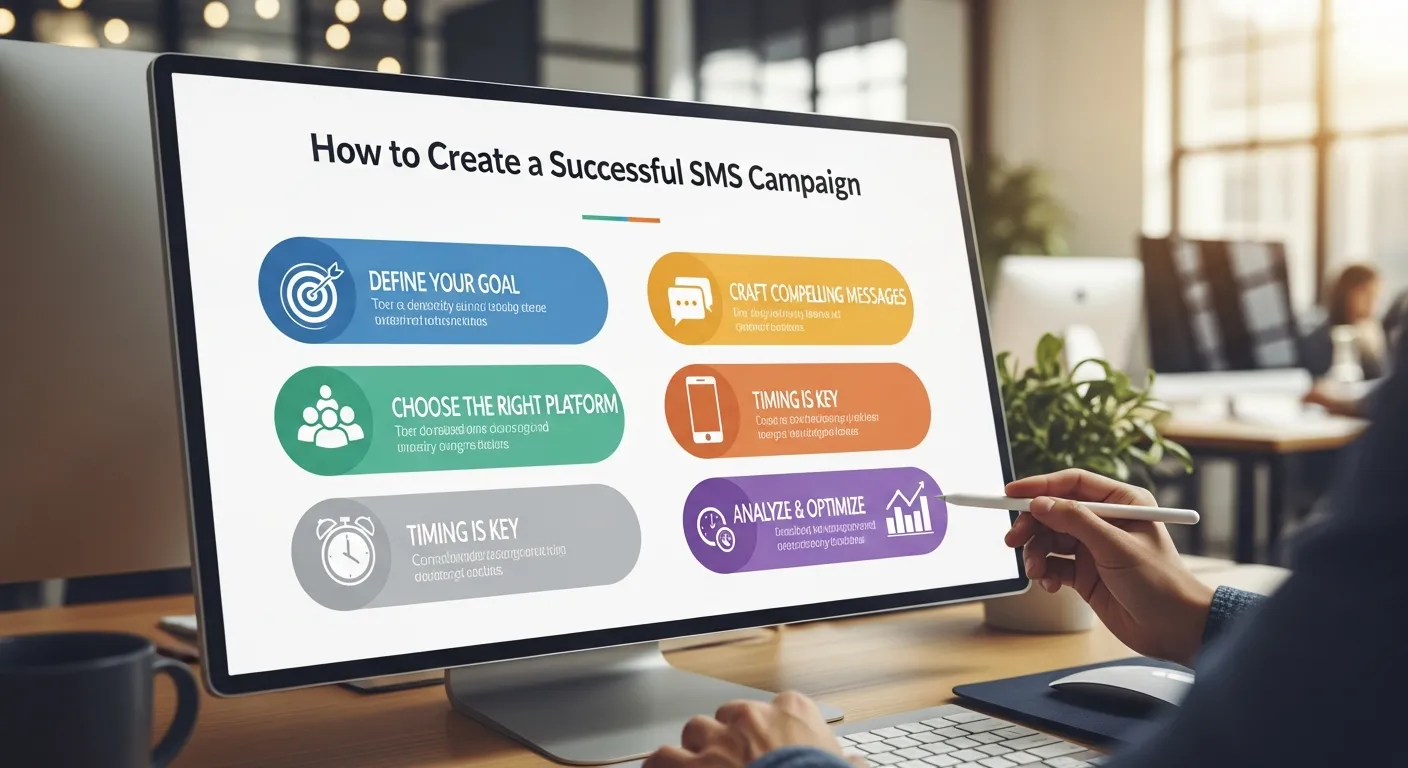
This comprehensive guide breaks down exactly how to build high-converting text message marketing strategies. You will learn the fundamental steps of audience segmentation, compliance, message crafting, and performance tracking. By applying these actionable insights, you can expect higher open rates, improved customer retention, and a massive boost to your overall marketing return on investment.
Want to reach your audience instantly? Knowing how to create a successful SMS campaign is the ultimate key to driving immediate engagement, boosting sales, and building lasting customer relationships today
The Power of Text Message Marketing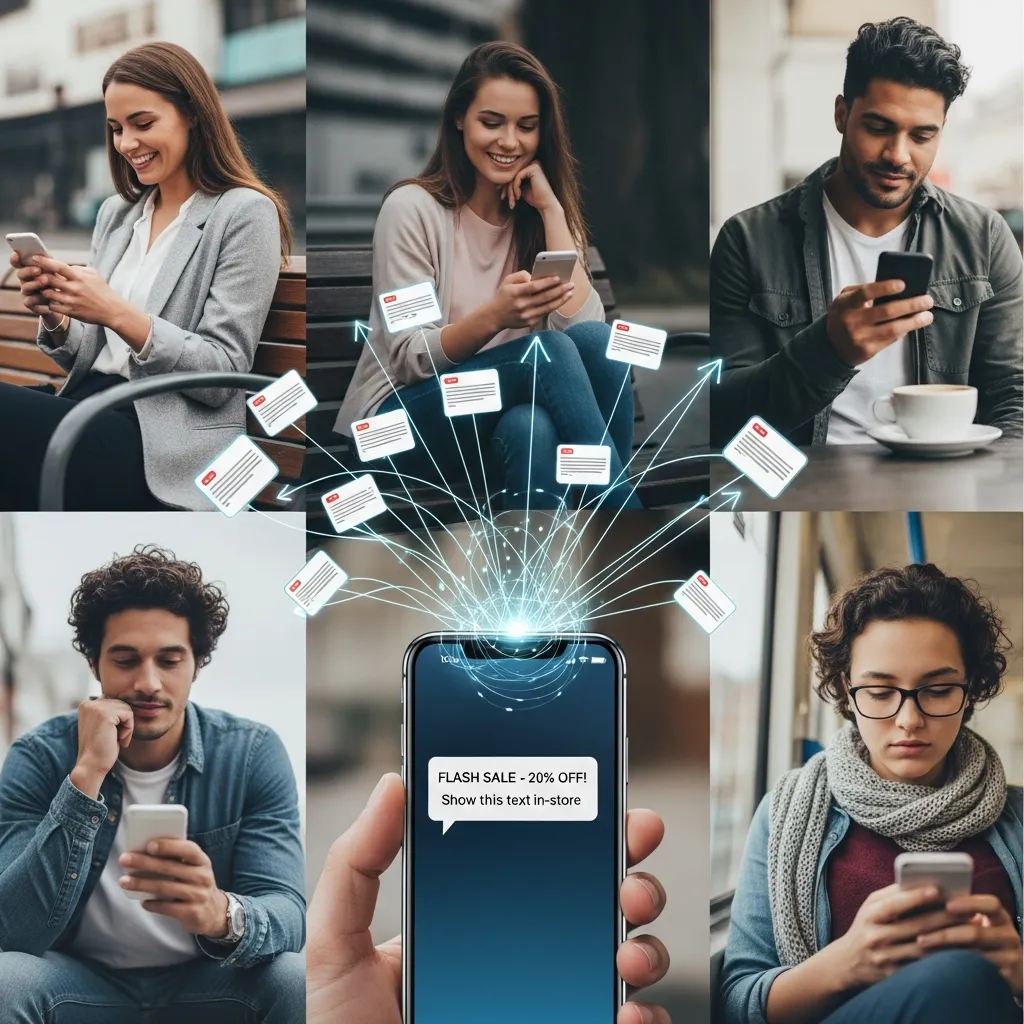
In an era where consumer attention is fragmented across dozens of platforms, text messaging cuts through the noise with unparalleled efficiency. Studies show that text messages boast an open rate of up to 98%, with the vast majority being read within the first three minutes of delivery. This makes it an incredibly powerful tool for time-sensitive promotions, critical updates, and personalized engagement.
However, wielding this power requires a deep understanding of strategy, compliance, and user intent. A poorly executed text blast can lead to mass unsubscribes and a damaged brand reputation, while a carefully orchestrated strategy will seamlessly guide your prospects through your sales funnel. If you have already mastered your email marketing automation, adding text messaging to your arsenal is the logical next step to dominate your market.
Step-by-Step: How to Create a Successful SMS Campaign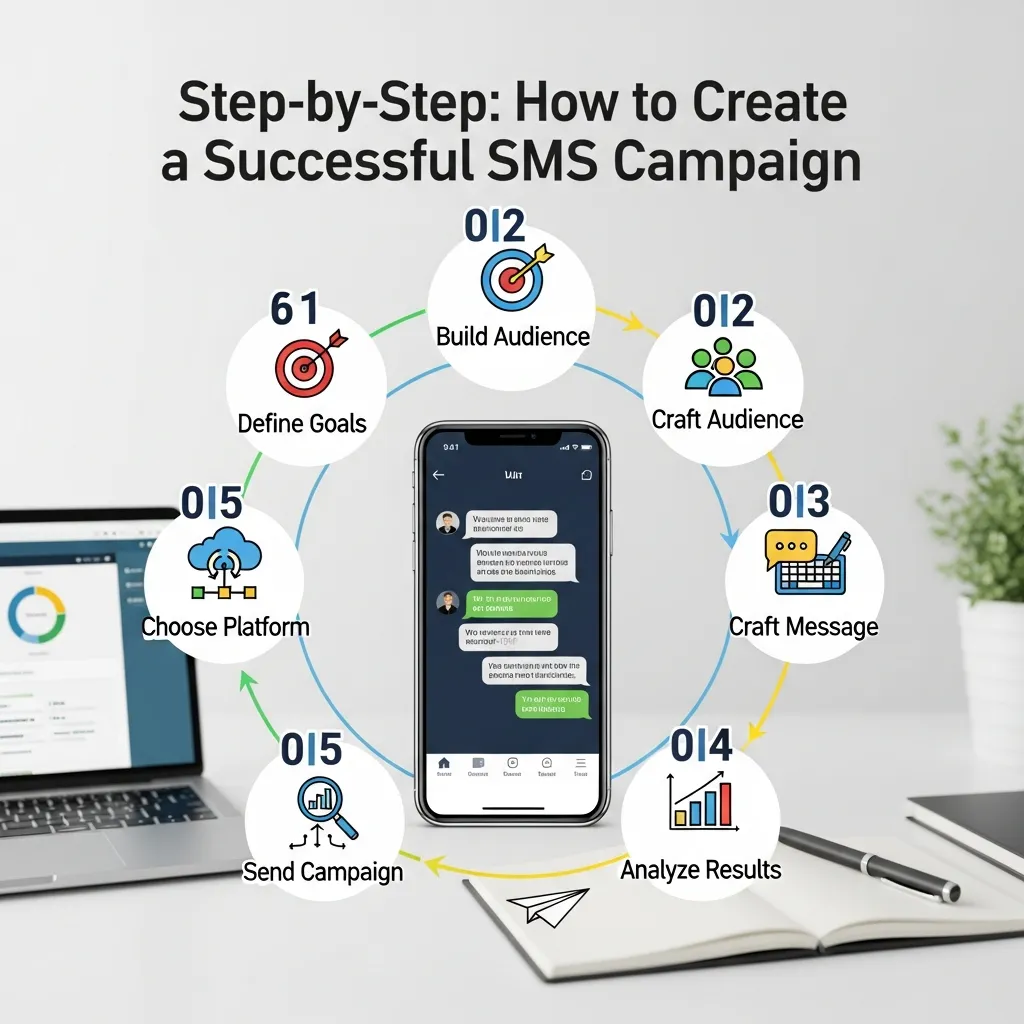
Building a high-converting text message strategy does not happen by accident. It requires meticulous planning, a deep understanding of your audience, and the right technological infrastructure. Follow these precise steps to launch a campaign that drives results.
Step 1: Secure Explicit Consent and Build Your List
The foundation of any legitimate text marketing strategy is permission. Unlike other digital channels where you might capture passive attention, texting requires explicit, active consent from the consumer.
Start by optimizing your opt-in process. You can collect numbers through website pop-ups, checkout pages, or dedicated landing pages. Offer a compelling incentive, such as a percentage discount on their next purchase, a free digital resource, or early access to a new product line. Ensure your opt-in language clearly states what type of messages the subscriber will receive and how often you plan to text them.
Compliance is non-negotiable. Familiarize yourself with regulations like the Telephone Consumer Protection Act (TCPA) in the United States and the General Data Protection Regulation (GDPR) in Europe. You must provide a clear and easy way for subscribers to opt out, typically by replying with the word “STOP.” For more details on compliance, you can review guidelines from authoritative platforms like Twilio.
Step 2: Choose the Right Technology Partner
You cannot run a scalable text strategy from a personal mobile phone. You need a robust platform that can handle bulk sending, complex automation, detailed analytics, and regulatory compliance.
When evaluating platforms, look for features like two-way messaging, dynamic personalization, seamless integration with your existing customer relationship management software, and reliable delivery rates. A high-quality platform will also help you manage your lead generation techniques by seamlessly funneling new contacts into specific subscriber lists based on their opt-in source.
Step 3: Segment Your Audience for Hyper-Relevance
Sending the exact same message to your entire contact list is a fast track to high unsubscribe rates. Audience segmentation is the secret weapon of high-converting campaigns.
Divide your subscribers into distinct groups based on their demographics, purchase history, geographic location, and engagement levels. For example, a customer who frequently buys premium products should receive different offers than a price-conscious shopper who only buys during clearance sales. By tailoring your messaging to the specific desires and behaviors of each segment, you drastically increase the likelihood of conversion.
Step 4: Craft Compelling, Action-Oriented Messages
With only 160 characters available in a standard text message, every single word must fight for its place. Your copy must be concise, impactful, and crystal clear.
Start by identifying your brand immediately so the recipient knows who is texting them. Follow this with a strong hook or value proposition. Are you offering a 24-hour flash sale? A restock alert for a highly anticipated product? State the value clearly and immediately.
End your message with a singular, unmistakable call to action. Provide a direct, shortened link to the specific landing page or product. Never make the user hunt for the information or the checkout page. If you are struggling with phrasing, reviewing copywriting best practices can help you refine your short-form writing skills.
Step 5: Master the Timing and Frequency
Timing is everything in mobile marketing. Sending a promotional text at 3:00 AM is a guaranteed way to anger your subscribers and violate regulatory guidelines.
Always segment your sends by time zone. Generally, the best times to send promotional texts are mid-morning (around 10:00 AM to 11:00 AM) or late afternoon (between 4:00 PM and 6:00 PM). However, you should always test different send times to see when your specific audience is most responsive.
As for frequency, start conservatively. One or two messages a week is usually sufficient for most retail and e-commerce brands. Monitor your opt-out rates closely; if you see a sudden spike in unsubscribes, you are likely messaging your audience too frequently.
Step 6: Measure, Analyze, and Optimize
No marketing initiative is complete without rigorous performance tracking. To truly understand how to create a successful SMS campaign, you must become obsessed with your data.
Track key metrics such as your delivery rate, open rate, click-through rate, and overall conversion rate. Most importantly, track your return on investment to ensure the revenue generated outpaces the cost of sending the messages. Use A/B testing to experiment with different message formats, calls to action, and send times. As noted by industry leaders at Mailchimp, continuous optimization based on real user data is what separates average marketers from industry leaders.
Comparing Communication Channels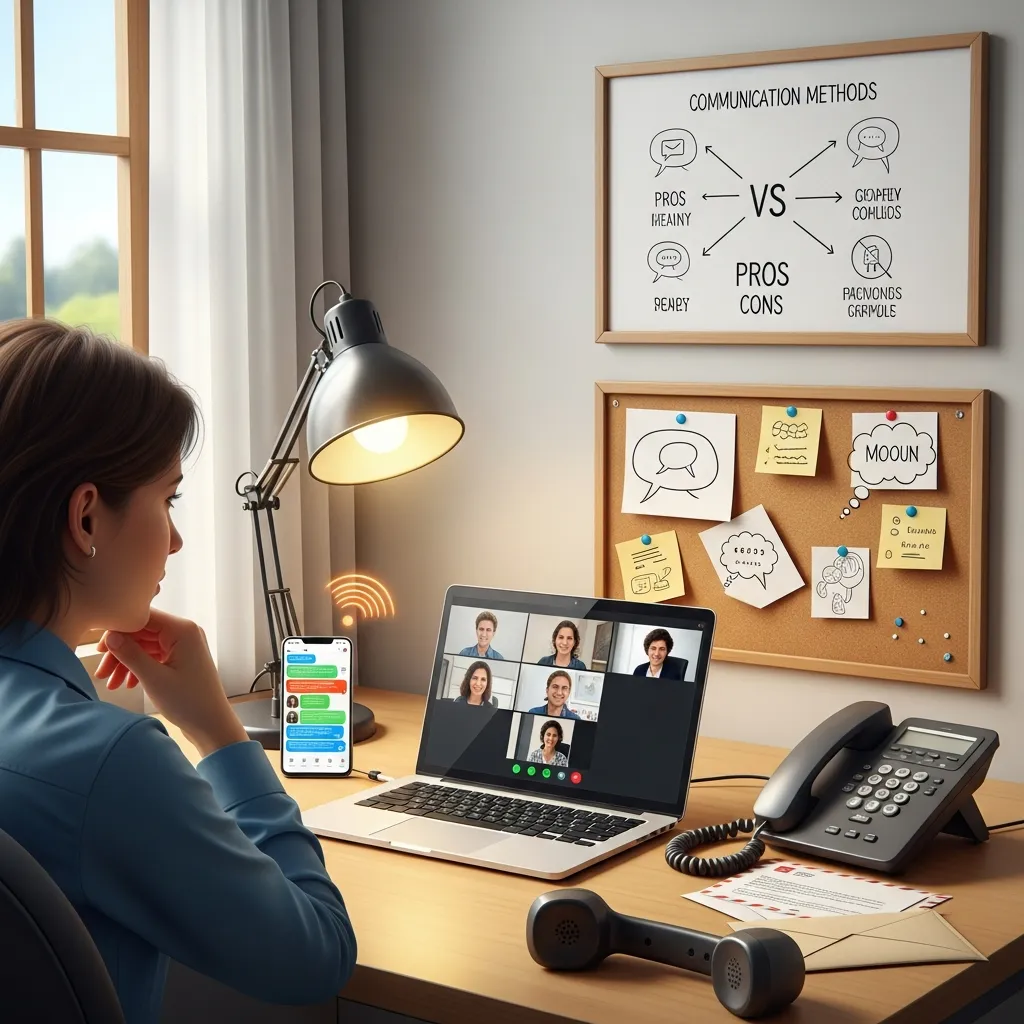
To fully understand where text messaging fits into your broader strategy, it helps to compare it directly with its closest digital sibling: email.
SMS vs Email Marketing Comparison
|
Feature |
SMS Marketing |
Email Marketing |
|---|---|---|
|
Average Open Rate |
98% |
20% – 25% |
|
Response Time |
Under 3 minutes |
90 minutes to 24 hours |
|
Message Length |
Short (160 characters) |
Long-form (unlimited) |
|
Best Use Case |
Flash sales, urgent alerts, appointment reminders |
Newsletters, detailed onboarding, educational content |
|
Cost |
Generally higher per message |
Generally lower per message |
|
Click-Through Rate |
10% – 15% |
2% – 5% |
Understanding these differences allows you to build a cohesive omnichannel marketing strategy where email and text messaging support rather than compete with one another. Use email for deep storytelling and text messaging for urgent action.
Pro Tips and Expert Insights
To elevate your text message strategy from good to extraordinary, consider implementing these advanced techniques utilized by top-tier marketers.
Create a sense of exclusivity. Your text subscribers have given you their most personal contact information; reward that trust by giving them first access to new product drops or VIP-only discounts. When people feel like they are part of an exclusive club, their brand loyalty skyrockets.
Embrace two-way conversations. Modern consumers want to interact with brands just like they interact with their friends. Utilize platforms that allow customers to reply to your texts with questions or customer service inquiries. According to research from Infobip, conversational marketing is the future of customer engagement.
Leverage multimedia messages (MMS). While standard texts are limited to 160 characters of plain text, MMS allows you to send images, GIFs, and longer text blocks. A high-quality image of your product can significantly boost engagement rates, especially for visually driven industries like fashion and food.
Common Mistakes to Avoid
Even seasoned marketers can stumble when navigating the fast-paced world of mobile messaging. Avoid these critical errors to protect your subscriber list and your brand reputation.
Ignoring compliance regulations is the fastest way to incur massive legal fines and get your sending numbers blocked by carriers. Always secure explicit opt-in consent and always provide a clear opt-out path.
Failing to identify yourself is another common blunder. If a user receives a text with a random link from an unknown number, they will likely assume it is spam or a phishing attempt. Always begin your messages with your brand name.
Overloading your messages with slang and text-speak can make your brand look unprofessional. While you should keep your messages concise, maintain a professional tone that aligns with your overall brand voice.
Finally, never send subscribers to an unoptimized landing page. Since 100% of your text traffic will be on mobile devices, the destination link must be lightning-fast and perfectly responsive to mobile screens. An optimized checkout flow is a critical component of any conversion rate optimization effort.
Conclusion
Mastering how to create a successful SMS campaign is an ongoing process of testing, learning, and refining. By prioritizing explicit consent, hyper-segmenting your audience, and delivering concise, value-driven messages, you can unlock unprecedented levels of customer engagement. Start small, monitor your analytics closely, and scale your efforts as you gather actionable data. Ready to transform your communication strategy? Choose a reliable platform today and launch your first targeted text promotion.
Frequently Asked Questions
What is the ideal length for a text message campaign?
The ideal length is under 160 characters. This ensures your message is delivered as a single text, preventing awkward cut-offs and keeping your costs down. Keep your copy punchy, direct, and focused on a single call to action.
How often should a business send text messages to customers?
For most businesses, SMS Marketing sending one to two messages per week is the sweet spot. Sending more frequently risks annoying your subscribers and driving up your opt-out rates. Always monitor your engagement metrics to find the perfect cadence for your specific audience.
What is the difference between SMS and MMS?
SMS stands for Short Message Service and consists entirely of plain text up to 160 characters. MMS stands for Multimedia Messaging Service, which allows you to send media like images, video clips, and GIFs, along with a higher character limit for text.
Do I need permission to text my customers?
Yes, absolutely. Under regulations like the TCPA, you must obtain explicit, written consent from consumers before sending them promotional text messages. Having their phone number from a previous transaction does not automatically give you permission to send marketing texts.
What is a short code in mobile marketing?
A short code is a special 5- or 6-digit telephone number specifically designed for high-volume text messaging. They are easier for consumers to remember and can process messages much faster than standard 10-digit phone numbers, making them ideal for large-scale campaigns.
How do I track the success of my text messages?
You track success by monitoring key performance indicators such as delivery rates, open rates, click-through rates, and conversion rates. Always use unique, trackable links in your messages so you can attribute website traffic and sales directly to your text marketing efforts.
What is the best time of day to send a promotional text?
Generally, mid-morning (10:00 AM) or late afternoon (4:00 PM to 6:00 PM) yield the best results. Avoid sending messages early in the morning, late at night, or during typical commuting hours. Always segment your lists by time zone to ensure messages arrive at appropriate local times.
Can I use text messaging for customer service?
Yes. Two-way text messaging is an incredibly effective customer service tool. It allows consumers to ask questions, check order statuses, or resolve issues quickly without waiting on hold for a phone representative or waiting days for an email reply.
How do I grow my mobile subscriber list quickly?
The most effective way to grow your list is by offering a high-value incentive in exchange for a phone number. This could be a significant discount code, free shipping, or access to an exclusive piece of content. Promote this offer via website pop-ups, social media, and your existing email newsletter.
Why is my text campaign experiencing a high opt-out rate?
A high opt-out rate usually stems from one of three issues: you are sending messages too frequently, your messages lack clear value, or you are sending irrelevant content because you failed to properly segment your audience. Review your strategy and adjust your cadence and messaging accordingly.
