

This guide covers everything you need to know about building a profitable text messaging strategy. You will learn the core benefits of SMS marketing, follow a step-by-step guide to launching your first campaign, and compare the top tools available. We also break down expert strategies and common pitfalls to ensure your messages drive engagement and revenue.
You already know that reaching customers directly is the hardest part of digital marketing. Emails get lost in spam folders, and social media posts disappear into algorithmic voids. But there is one channel that consumers check constantly. A well-executed mass text can cut through the noise, delivering your message straight to your audience’s pockets within seconds.
What is a Mass Text? 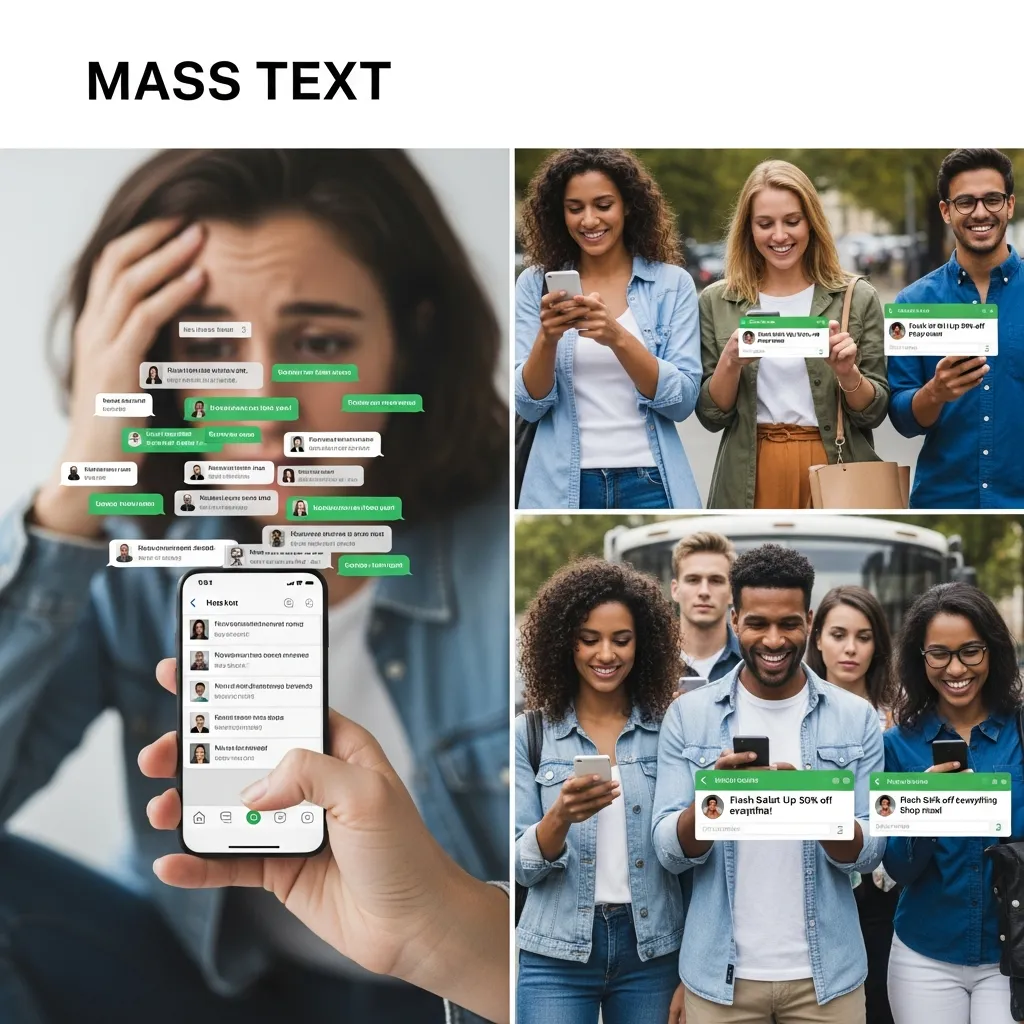
A mass text allows businesses to send a single SMS or MMS message to a large group of opted-in contacts simultaneously. Instead of typing out individual messages to hundreds or thousands of customers, you use a dedicated software platform to broadcast your communication.
Unlike a standard group chat, recipients do not see each other’s phone numbers or replies. Each message appears as a direct, one-on-one conversation between your business and the customer. This channel is highly effective for promotional offers, urgent alerts, event reminders, and internal company communications.
Why Your Business Needs SMS Marketing
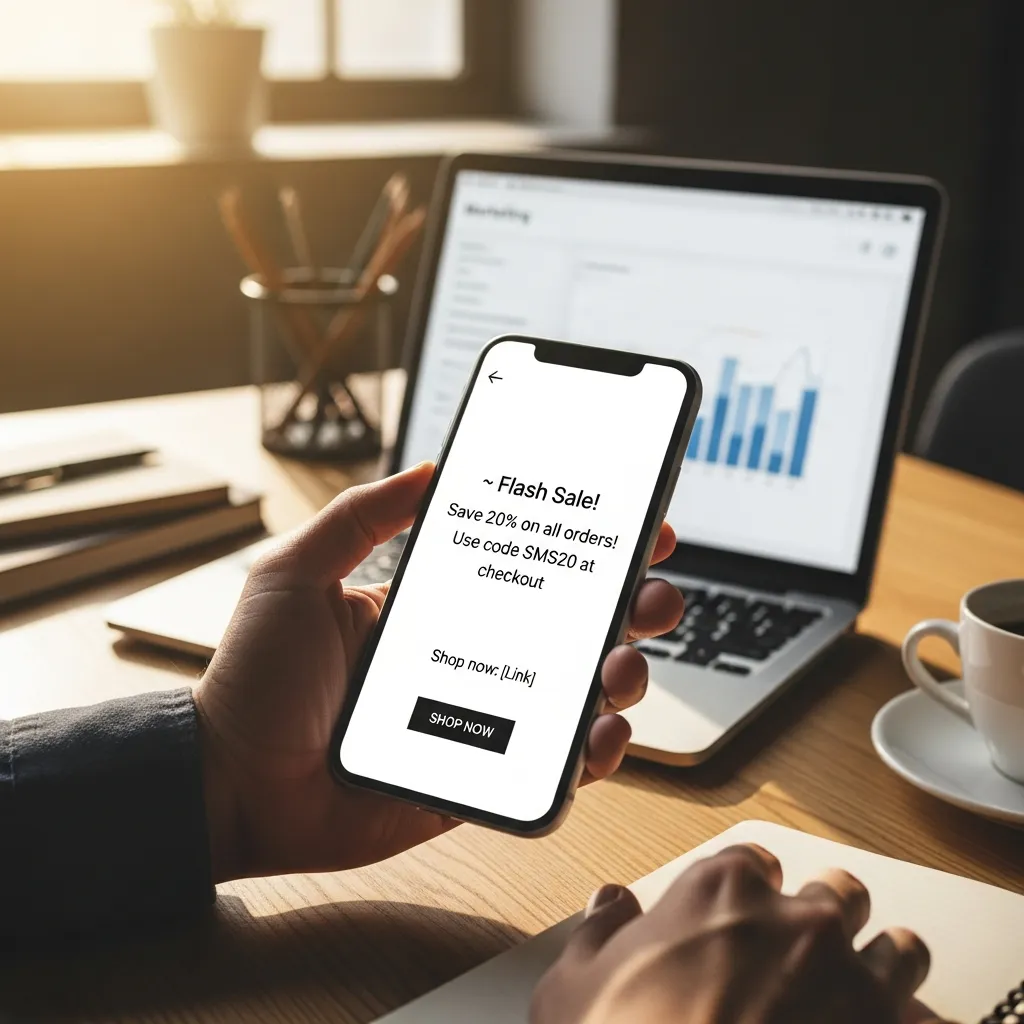
If you are not utilizing SMS, you are missing out on one of the most reliable ways to engage your audience. The statistics surrounding mobile engagement are staggering, and the return on investment (ROI) often eclipses traditional digital advertising.
- Unmatched Open Rates: Research shows that text messages boast an open rate of nearly 98%, with most messages read within three minutes of receipt.
- Direct and Immediate: There are no algorithms dictating whether your audience sees your content. When you hit send, your message arrives instantly.
- High Conversion Rates: Because SMS requires direct opt-in, you are messaging a highly engaged audience. Texts naturally prompt quick actions, making them perfect for limited-time offers.
- Cost-Effective: Compared to paid search or social media ads, sending a text campaign is incredibly affordable and yields a much higher direct response rate.
Step-by-Step Guide to Launching a Mass Text Strategy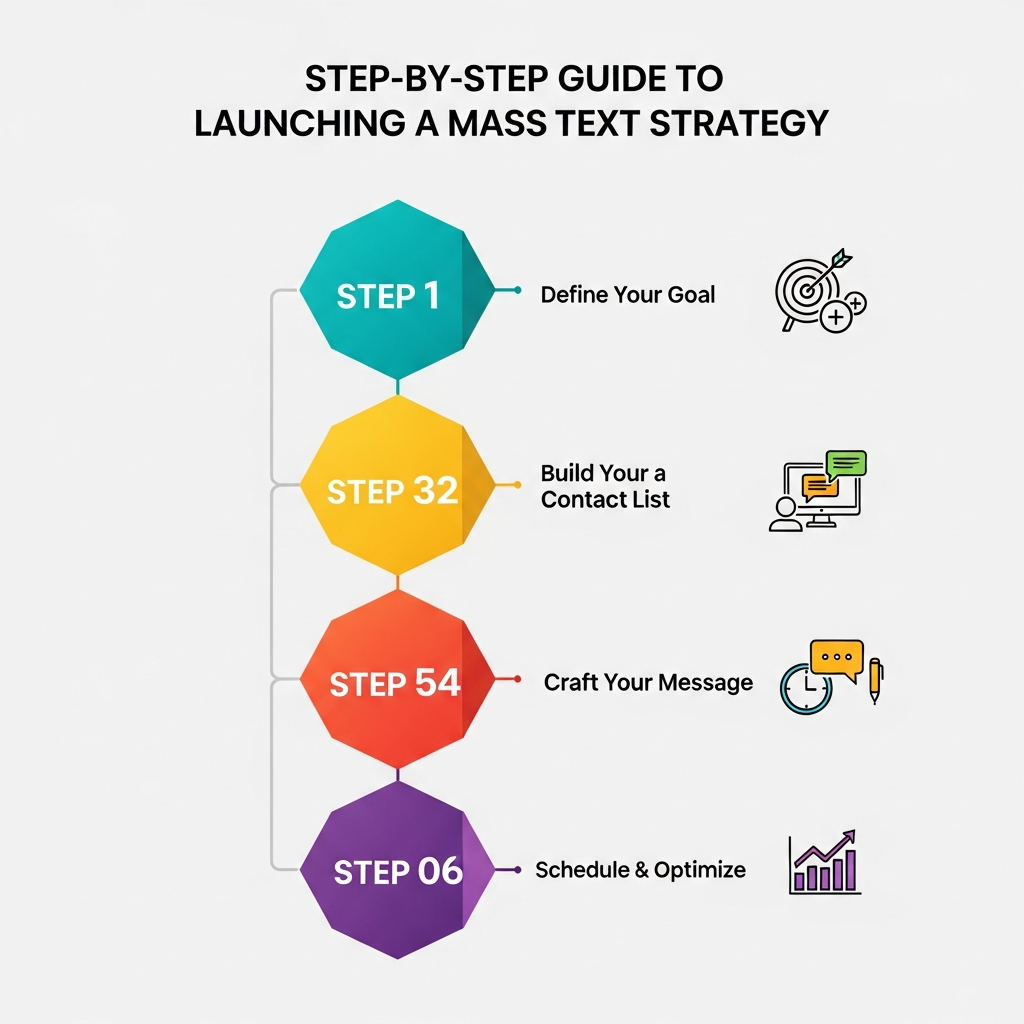
Building a successful text campaign requires careful planning. Follow these steps to ensure your messages resonate with your audience and comply with industry regulations.
Step 1: Secure Customer Consent
Before you send a single message, you must obtain explicit permission from your audience. The Federal Communications Commission (FCC) strictly enforces the Telephone Consumer Protection Act (TCPA), which mandates that businesses receive written or digital consent before texting consumers. You can gather this consent via web forms, text-to-join keywords, or checkout processes.
Step 2: Choose the Right SMS Platform
You cannot send bulk messages from a personal mobile device. You need a dedicated SMS marketing platform that handles large volumes, manages opt-outs automatically, and provides analytics. Look for software that integrates smoothly with your existing marketing automation strategies.
Step 3: Build and Segment Your List
Do not blast the same message to everyone. Segment your SMS subscriber list based on past purchasing behavior, geographic location, or engagement levels. Tailoring your message to specific groups drastically improves your conversion rates and reduces opt-outs.
Step 4: Craft Compelling Copy
Keep your messages short and punchy. You have roughly 160 characters to make an impact. Start with a clear hook, deliver the value proposition, and always include a strong Call-To-Action (CTA). Use tracking links to measure how many people click through to your website.
Step 5: Schedule and Send
Timing is critical. Avoid sending messages early in the morning or late at night. Data suggests that mid-morning or late afternoon on weekdays generally yields the best engagement. Use your platform’s scheduling tool to automate the delivery process.
Top Mass Text Software: A Comparison Table
Choosing the right platform is vital for your success. Here is a breakdown of top-rated SMS marketing tools to help you make an informed decision.
|
Platform Name |
Best Feature |
Ideal Business Size |
Price Entry Point |
|---|---|---|---|
|
SimpleTexting |
Easy-to-use interface and unlimited keywords |
Small to Medium |
Starts at $29/month |
|
TextRequest |
Excellent two-way messaging and CRM integrations |
Medium to Large |
Starts at $59/month |
|
SlickText |
Advanced automated workflows and segmentation |
Small to Medium |
Starts at $29/month |
|
Twilio |
Developer-friendly API for custom builds |
Enterprise |
Pay-as-you-go pricing |
Common Mistakes to Avoid
Many businesses jump into SMS marketing without a clear plan, leading to high unsubscribe rates and wasted budgets. Be sure to avoid these common sms marketing mistakes.
Ignoring Opt-Out Requirements
Every promotional text must include clear instructions on how to opt out, such as “Reply STOP to cancel.” Failing to include this violates compliance laws and frustrates customers. Your software should automatically remove anyone who replies with an opt-out keyword.
Sending Messages Too Frequently
Texting is an intimate channel. Bombarding your audience with daily messages leads to text fatigue. Stick to a consistent but respectful cadence, such as two to four times a month, depending on the value of the offers you provide.
Sounding Like a Robot
Consumers prefer to interact with humans. Avoid overly stiff or corporate language. Use a conversational tone, and do not be afraid to use emojis sparingly if they fit your brand voice.
Forgetting the Call-To-Action
If you do not tell your customers what to do, they will do nothing. Every message must have a clear purpose. Whether you want them to click a link, reply to a question, or show a text at the register, make your CTA obvious.
Expert Tips and Pro Strategies
To elevate your campaigns from basic to highly profitable, implement these advanced strategies used by top marketers.
- Create VIP Exclusivity: Treat your text subscribers like VIPs. Offer them early access to sales, exclusive discounts, or behind-the-scenes content that email subscribers do not get.
- Leverage Trigger-Based Automations: Set up automated messages triggered by customer actions. For example, you can send an automatic text one hour after a customer abandons their online shopping cart. According to Gartner, trigger-based messaging significantly outperforms static batch-and-blast campaigns.
- Integrate with Email Marketing: Use your text campaigns to support your emails. Send a text reminding your subscribers to check their inboxes for a massive upcoming announcement or complex newsletter.
- Use MMS for Visual Impact: Short Message Service (SMS) is great, but Multimedia Messaging Service (MMS) allows you to attach images, GIFs, or short videos. Visuals capture attention instantly and often result in higher click-through rates.
- Track and Optimize: Constantly monitor your analytics. Pay attention to your delivery rates, click-through rates, and opt-out rates. A/B test your copy and send times to continuously refine your approach.
Conclusion
Mastering the art of the mass text is essential for modern brands looking to engage their audience immediately and effectively. By securing proper consent, writing compelling copy, avoiding common pitfalls, and leveraging the right software, you can turn a simple text message into a powerful revenue generator. Start building your subscriber list today, create a compelling offer, and send your first highly optimized campaign.
FAQs
1. What exactly is a mass text?
A mass text is a single message sent to a large group of opted-in contacts at the same time using a specialized software platform. Recipients receive the message individually, protecting their privacy and mimicking a one-on-one conversation.
2. Is it legal to send promotional texts to my customers?
Yes, but only if you have their explicit consent. You must comply with the Telephone Consumer Protection Act (TCPA) and ensure customers have actively opted in to receive SMS marketing from your business.
3. How do I get people to subscribe to my text list?
You can encourage sign-ups by offering incentives. Common methods include offering a discount code for texting a specific keyword to your number, adding an opt-in checkbox at online checkout, or promoting your text club on social media.
4. What is the difference between SMS and MMS?
SMS (Short Message Service) is limited to 160 characters of plain text. MMS (Multimedia Messaging Service) allows you to send longer text along with rich media files like images, GIFs, audio, and video.
5. How much does a mass text campaign cost?
Costs vary widely depending on the platform and volume. Most software providers charge a monthly subscription fee that includes a set number of message credits. Entry-level plans usually start around $29 to $59 per month.
6. Can I include web links in my messages?
Yes. In fact, including a tracked link is the best way to drive traffic and measure the success of your campaign. Use a built-in link shortener provided by your software to save character space and avoid carrier spam filters.
7. What time of day should I send my messages?
Always respect regular business hours. Sending messages between 9:00 AM and 5:00 PM is generally safest. Mid-morning and late afternoon tend to yield the best engagement rates. Never send texts late at night or extremely early in the morning.
8. Will recipients see everyone else’s phone number?
No. Unlike standard group texts on a personal phone, enterprise SMS platforms send messages individually. When a customer receives your message, it looks like a direct text, and any replies go straight back to your platform’s inbox.
9. What are spam triggers in SMS marketing?
Mobile carriers use filters to block spam. Using excessive ALL CAPS, too many special characters, naked links (unshortened URLs), or failing to include opt-out instructions can trigger these filters, preventing your message from being delivered.
10. How do I measure the success of my text marketing?
You measure success by tracking key performance indicators (KPIs) such as delivery rate, open rate, click-through rate (CTR), and conversion rate. You should also monitor your opt-out rate to ensure your messaging cadence and content remain relevant to your audience.
