

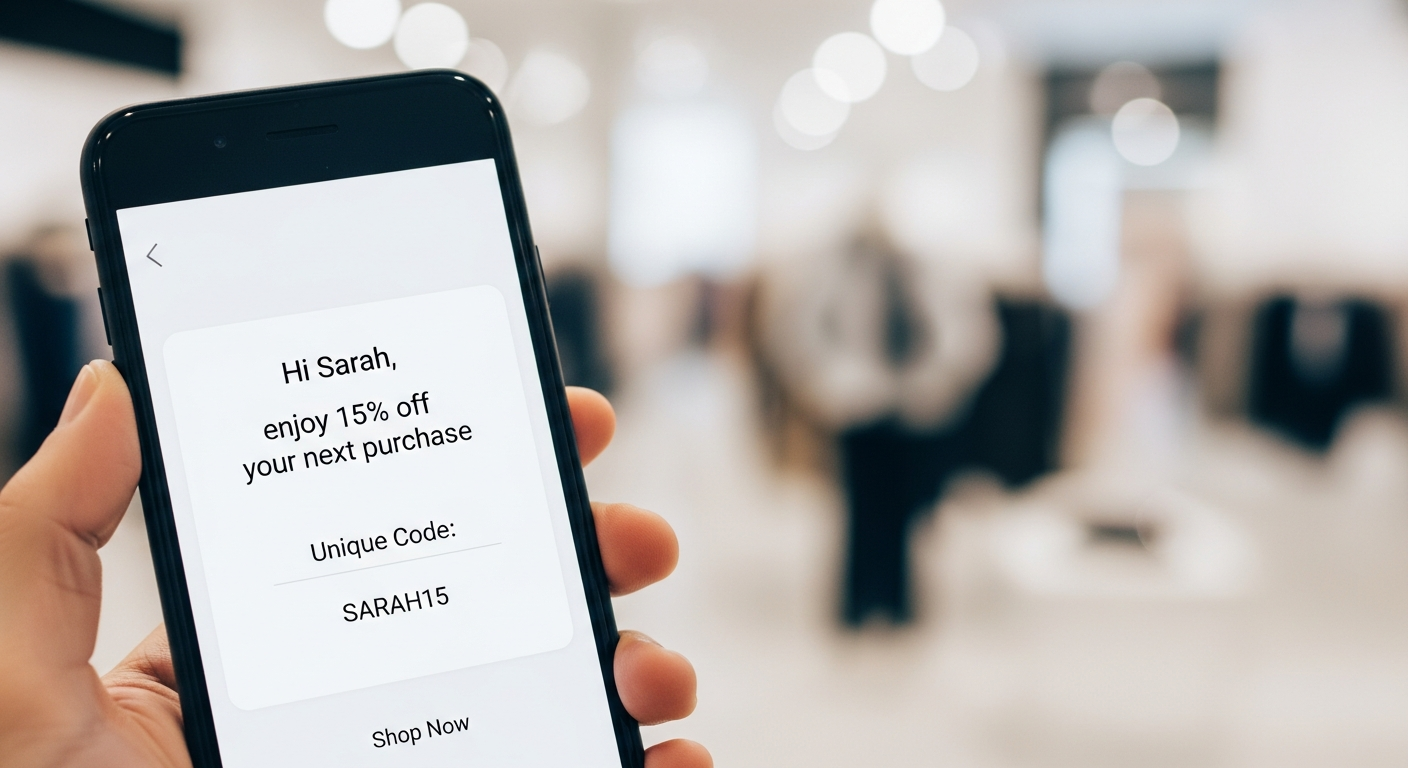
Mastering personalization in SMS marketing: best practices helps you build deeper connections with your audience. This comprehensive guide covers proven strategies, data collection methods, and expert tips to elevate your text message campaigns, increase your return on investment, and maximize customer loyalty.
Looking for higher conversion rates? Applying personalization in SMS marketing: best practices transforms generic text blasts into meaningful conversations that drive immediate customer action.
The Foundation of Personalization in SMS Marketing: Best Practices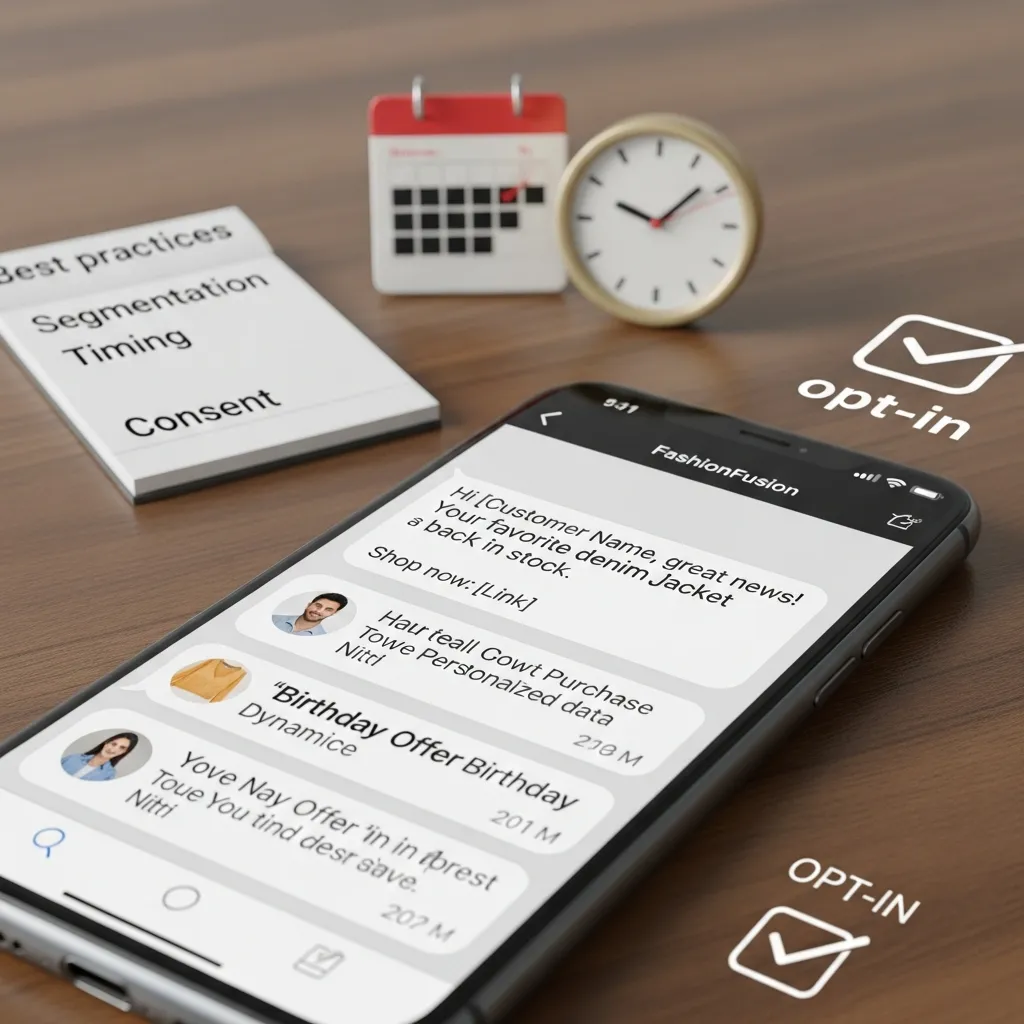
Sending the exact same message to thousands of people rarely works anymore. Consumers expect brands to understand their specific needs. Implementing personalization in SMS marketing: best practices ensures your audience receives relevant offers that match their shopping habits. A tailored approach makes your text messages feel like helpful reminders rather than intrusive advertisements.
When you apply personalization in SMS marketing: best practices, you move beyond simply inserting a first name into a text. You must analyze browsing behavior, past purchase history, and location data to deliver highly targeted content. This strategy significantly increases open rates and click-through rates. You also reduce opt-out rates because customers actually want to read what you send them.
Understanding your audience forms the bedrock of any successful campaign. You need to gather actionable data through opt-in forms, quizzes, and preference centers. Once you collect this information, you can segment your audience into distinct groups. This segmentation allows you to execute personalization in SMS marketing: best practices at a massive scale without losing the human touch.
Step-by-Step Guide to Personalization in SMS Marketing: Best Practices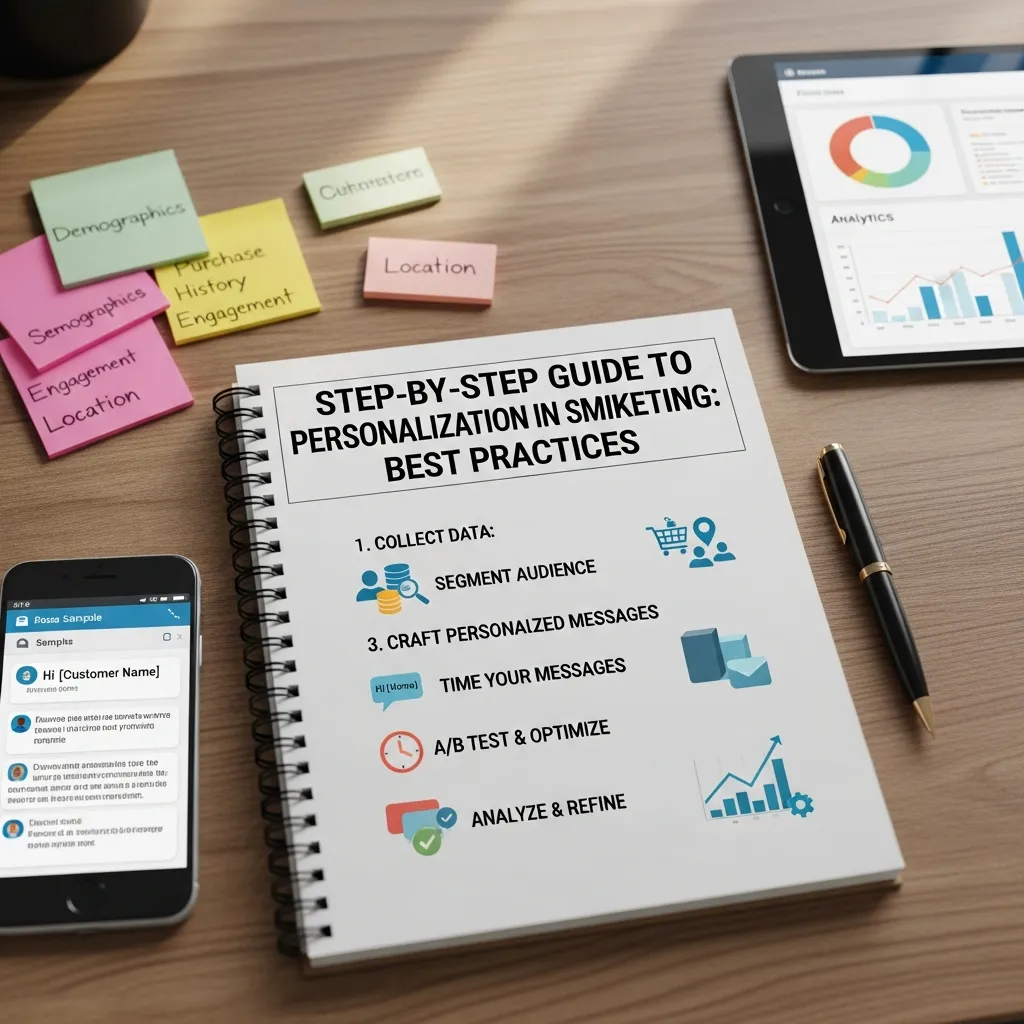
To achieve outstanding results, you need a structured approach. Follow these steps to implement personalization in SMS marketing: best practices effectively.
Step 1: Collect First-Party Data
You cannot personalize messages without data. Encourage customers to share their preferences when they sign up for your text alerts. Ask them about their favorite product categories, birthday, and location. Offer a compelling incentive, like a discount code, to boost participation. Managing this data properly aligns with data privacy standards.
Step 2: Segment Your Audience Effectively
Group your subscribers based on their behaviors and demographics. Create segments for frequent buyers, window shoppers, and inactive customers. Applying personalization in SMS marketing: best practices means sending a VIP discount to your best customers and a re-engagement offer to those who have stopped buying. This level of detail boosts your customer retention strategies.
Step 3: Trigger Messages Based on Behavior
Behavioral triggers represent the pinnacle of personalization in SMS marketing: best practices. Set up automated workflows that send texts when a customer takes a specific action. For example, if a user leaves items in their digital shopping cart, send an abandoned cart reminder. You can link this system with your email marketing automation for a unified strategy.
Step 4: Optimize Send Times
Timing plays a crucial role in personalization in SMS marketing: best practices. Send messages when your customers are most likely to engage. Analyze past campaign data to find the optimal send times for different time zones. Nobody wants a promotional text at two in the morning. Respecting their schedule builds trust and improves response rates.
Pro Tips and Expert Insights
To truly excel, consider these expert insights regarding personalization in SMS marketing: best practices.
- Keep messages concise: You only have 160 characters. Make every word count. State the value proposition immediately.
- Use conversational language: Write as if you are texting a friend. Avoid overly corporate jargon.
- Include a clear call to action (CTA): Tell the customer exactly what to do next. Use phrases like “Shop the sale now” or “Claim your discount here.”
- A/B test everything: Continuously test different variables. Experiment with different emojis, CTA placements, and offer types to see what resonates best with your audience.
- Leverage omnichannel data: Combine your SMS strategy with your loyalty programs. If a customer earns enough points for a reward, send them a congratulatory text.
According to a report by Gartner, brands that effectively use personalized messaging see a significant revenue increase email marketing automation . Applying personalization in SMS marketing: best practices ensures you capture a portion of that revenue growth.
Common Mistakes to Avoid
Even experienced marketers make errors when setting up their campaigns. Avoid these pitfalls to master personalization in SMS marketing: best practices.
First, do not over-communicate. Sending too many texts annoys subscribers and leads to high unsubscribe rates. Find a balanced frequency that keeps your brand top-of-mind without becoming a nuisance. Two to four texts a month generally works well for most ecommerce brands.
Second, never ignore compliance laws. You must obtain explicit consent before sending marketing texts. Familiarize yourself with regulations like the Telephone Consumer Protection Act (TCPA) and the General Data Protection Regulation (GDPR). Including a clear opt-out method in every message is a non-negotiable aspect of personalization in SMS marketing: best practices.
Third, avoid sending broken links or unoptimized landing pages. If a customer clicks a link in your text, the destination page must load quickly and look great on a mobile device. A poor mobile web experience instantly kills the conversion, rendering your personalization in SMS marketing: best practices useless. Ensure your website speed meets the standards set by Google PageSpeed Insights.
Comparing Generic vs. Personalized Text Campaigns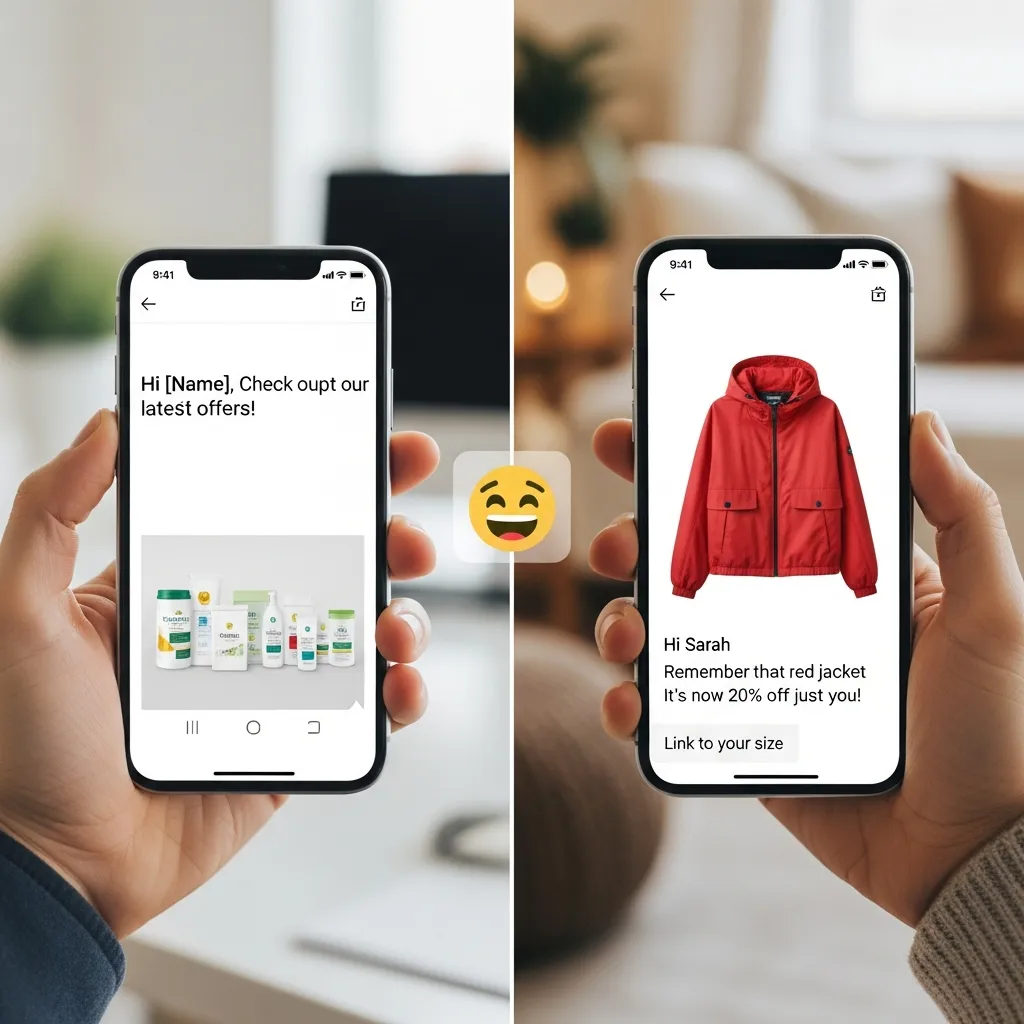
Understanding the difference between standard blasts and targeted texts highlights the value of personalization in SMS marketing: best practices.
|
Feature |
Generic SMS Campaign |
Personalized SMS Campaign |
|---|---|---|
|
Audience Targeting |
Sends the same message to everyone |
Targets specific segments based on data |
|
Content Relevance |
Broad and often irrelevant |
Highly specific to user preferences |
|
Timing |
Sent at a single time for all |
Sent based on user time zone or behavior |
|
Conversion Rate |
Generally low |
Significantly higher |
|
Opt-out Rate |
High (often viewed as spam) |
Low (viewed as helpful content) |
This comparison table clearly demonstrates why modern businesses must adopt personalization in SMS marketing: best practices. The tailored approach always yields a better return on investment and creates happier customers.
Advanced Strategies for Personalization in SMS Marketing: Best Practices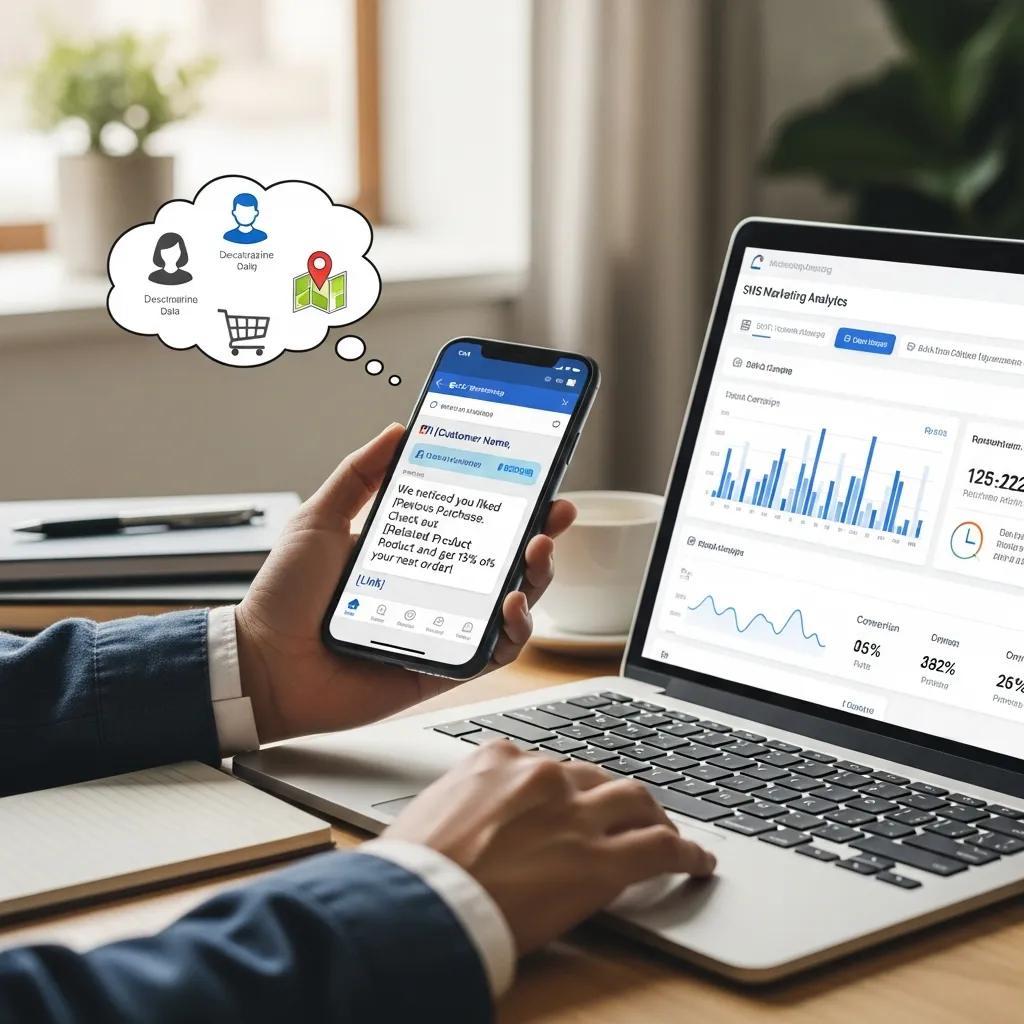
Once you master the basics, you can explore advanced techniques to push your results even higher. Personalization in SMS marketing: best practices evolves rapidly as technology improves.
Utilize Predictive Analytics
Predictive analytics uses machine learning to forecast future customer behavior based on historical data. By analyzing past purchases, the system predicts what a customer might want to buy next. You can then use this data to send highly relevant product recommendations via text. This represents the future of personalization in SMS marketing: best practices.
Implement Two-Way Messaging
Texting should not be a one-way street. Encourage customers to reply to your messages. You can use two-way messaging to conduct quick surveys, handle customer support inquiries, or offer personalized shopping assistance. Conversational commerce builds a strong rapport and proves that you value their input. This interactive approach defines advanced personalization in SMS marketing: best practices.
Location-Based Targeting
If you operate physical retail stores, use geofencing to send texts when a customer enters a specific geographic area. For example, if a loyal customer walks near your store, send them a text offering a 10% discount if they stop by. Connecting the digital and physical worlds through location data is a powerful form of personalization in SMS marketing: best practices. Review resources from HubSpot to see how location data integrates with overall marketing strategies.
The Role of Copywriting in Personalization in SMS Marketing: Best Practices
Data and technology handle the tar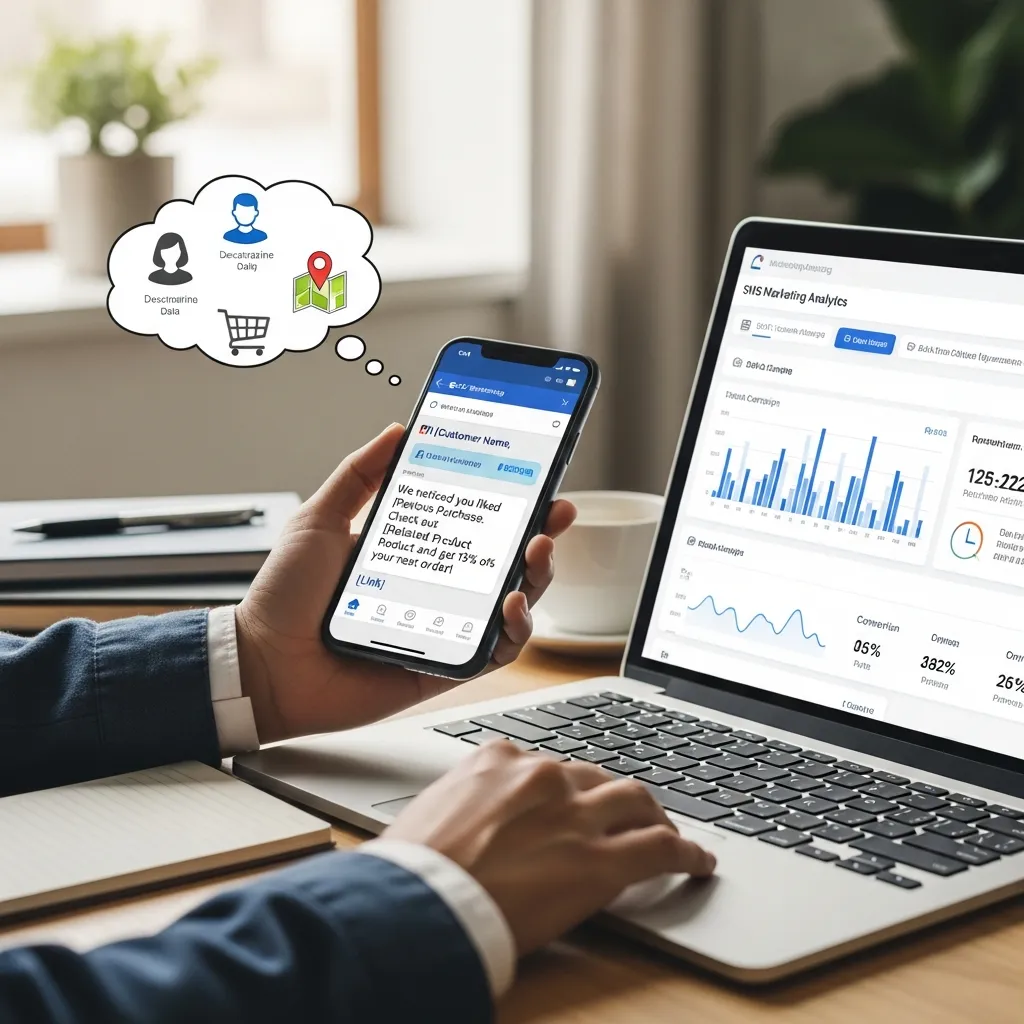 geting, but your copywriting drives the actual conversion. Writing compelling text messages requires a specific skill set. Personalization in SMS marketing: best practices dictates that your copy must be punchy, urgent, and highly relevant.
Start with a strong hook. Grab the reader’s attention within the first few words. Since you use personalization in SMS marketing: best practices, you can reference their recent activity. For example, “Still thinking about those sneakers, Alex?” works much better than “Check out our shoe sale.”
Create a sense of urgency. Use phrases like “Ends tonight” or “Limited stock available.” Urgency prompts immediate action, which is the primary goal of any text campaign. However, ensure the urgency is genuine. Fake scarcity damages your brand’s credibility.
Always provide clear value. Why should the customer care about this text? Whether you offer a discount, early access to a new product, or a helpful tip, the value must be obvious. When you combine strong copywriting with personalization in SMS marketing: best practices, your revenue will climb.
Integrating SMS with Your Overall Marketing Stack
You cannot run a text program in isolation. Personalization in SMS marketing: best practices requires seamless integration with your other marketing channels. Your text campaigns should complement your email marketing, social media advertising, and overall brand messaging.
Connect your SMS platform to your Customer Relationship Management (CRM) software. This connection ensures that all customer data lives in one central hub. When a customer makes a purchase via an email link, your SMS platform should know about it. This prevents you from sending a text promoting a product they just bought. Salesforce offers excellent documentation on integrating mobile messaging with CRM data.
Maintain a consistent brand voice across all channels. If your emails are professional and formal, your texts should not suddenly become informal and filled with slang. Consistency builds trust and brand recognition. Aligning your tone is a key component of personalization in SMS marketing: best practices.
Measuring Success: KPIs for Personalization in SMS Marketing: Best Practices
To know if your strategies work, you must track the right metrics. Personalization in SMS marketing: best practices relies heavily on data analysis and continuous optimization.
Monitor your delivery rate. This metric tells you what percentage of your messages actually reach your subscribers’ phones. A low delivery rate indicates issues with carrier filtering or invalid phone numbers. Clean your subscriber list regularly to maintain a high delivery rate.
Track your click-through rate (CTR). This measures how many people clicked the link in your text message. A high CTR indicates that your offer resonated with the audience and that your personalization in SMS marketing: best practices is effective.
Measure your conversion rate and overall return on investment (ROI). How many people who clicked the link actually made a purchase? Calculate the revenue generated from the campaign and compare it to the cost of sending the texts. This ultimately determines the success of your personalization in SMS marketing: best practices.
To succeed long-term, commit to personalization in SMS marketing: best practices. Gather clean data, segment your audience carefully, and craft compelling, relevant messages. Avoid common pitfalls like over-texting and prioritize a seamless omnichannel experience to drive sustained growth and build lasting customer loyalty.
FAQs
What is personalization in SMS marketing?
It involves using customer data, such as first names, purchase history, and browsing behavior, to tailor text messages to individual preferences. This ensures the content is highly relevant and engaging for each recipient.
Why is personalization in SMS marketing important?
It significantly increases open rates, click-through rates, and overall conversions. Customers prefer receiving relevant offers rather than generic blasts, which helps build brand loyalty and reduces opt-out rates.
How do I collect data for personalized text messages?
You can collect data through opt-in forms, preference centers, quizzes, and by analyzing past purchase and browsing behavior on your website. Always ensure you have explicit consent to use this data.
What is the best way to segment an SMS audience?
Segment your audience based on demographics (location, age), purchase history (frequent buyers, one-time buyers), and engagement levels (active clickers, inactive subscribers) to send the most relevant messages.
How often should I send personalized SMS marketing messages?
Most brands find success sending two to four messages per month. However, the ideal frequency depends on your industry and audience. Monitor your unsubscribe rates to find the perfect balance.
Can I automate personalized SMS messages?
Yes. You can set up behavioral triggers, such as abandoned cart reminders, post-purchase follow-ups, or birthday discounts. Automation ensures the right message reaches the right person at the exact right time.
What is the difference between SMS and email personalization?
While both rely on data, SMS requires much more concise copywriting due to character limits. Text messages are also read almost immediately, making them better suited for urgent, time-sensitive offers.
Is it legal to send personalized marketing texts?
Yes, provided you comply with regulations like the TCPA and GDPR. You must obtain clear, written consent from subscribers before messaging them, and you must always provide an easy way to opt out.
What metrics should I track for personalized SMS campaigns?
Key performance indicators include delivery rate, open rate, click-through rate (CTR), conversion rate, and unsubscribe rate. Tracking these metrics helps you optimize future campaigns.
How does personalization reduce SMS opt-out rates?
When customers receive messages tailored to their specific interests and needs, they find the texts valuable rather than annoying. This perceived value keeps them engaged and subscribed to your list.
