

Are you asking yourself about SMS Marketing vs. Email Marketing: Which Is Better? You are not alone. Let us explore the ultimate answer for your digital strategy.
This comprehensive guide breaks down the debate of SMS Marketing vs. Email Marketing: Which Is Better? You will discover actionable insights, step-by-step guidance, and practical examples. We highlight top tools, best practices, and common mistakes to help you maximize your return on investment.
Understanding SMS Marketing vs. Email Marketing: Which Is Better?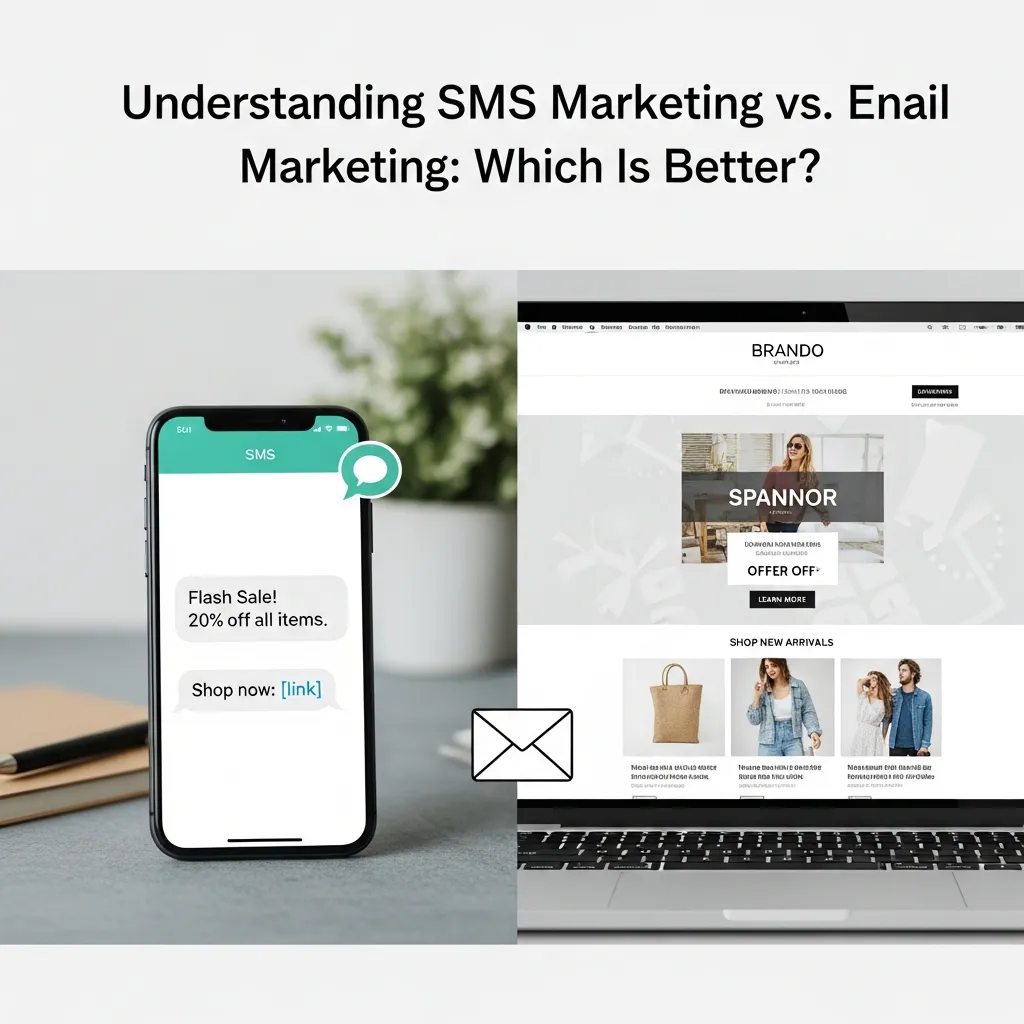
When you build a digital strategy, choosing the right communication channel matters. Marketers constantly debate the topic of SMS Marketing vs. Email Marketing: Which Is Better? The truth depends entirely on your business goals, target audience, and the message you want to deliver.
Both channels offer unique advantages. Email allows for long-form content, rich media, and detailed storytelling. Text messaging delivers immediate, bite-sized alerts straight to a customer’s pocket. Evaluating SMS Marketing vs. Email Marketing: Which Is Better? requires a deep dive into how consumers interact with their devices.
Email remains the undisputed king of comprehensive communication. Users expect promotional emails, newsletters, and detailed receipts in their inboxes. However, text messages boast incredibly high open rates. When people ask about SMS Marketing vs. Email Marketing: Which Is Better?, they often focus on these open rates. Text messages reach users instantly, creating a powerful tool for urgent communications.
The Core Strengths of Email Campaigns
Email marketing provides a massive canvas for your brand. You can design beautiful templates, include multiple product images, and tell compelling stories. If you need to educate your audience about a complex new service, email serves as the perfect medium.
Furthermore, email excels at customer retention. You can send weekly newsletters that build brand authority over time. You can attach PDF guides, link to multiple blog posts, and provide extensive value without worrying about strict character limits. When considering SMS Marketing vs. Email Marketing: Which Is Better?, email wins for depth and design.
According to HubSpot, email marketing generates an impressive return on investment, making it a staple for businesses worldwide. You own your email list, which provides long-term security against algorithm changes on social media platforms.
The Immediate Power of Text Messaging
Text messaging offers unmatched immediacy. Studies show that consumers read most texts within three minutes of receiving them. If you launch a 24-hour flash sale, an email might sit unread until the sale ends. A text message guarantees your audience sees the offer immediately.
This immediacy makes text campaigns incredibly effective for time-sensitive promotions. To understand the foundations of this channel, you should review a What Is SMS Marketing? (Beginner Guide). Texting forces you to write concise, action-oriented copy. You must deliver value instantly.
When comparing SMS Marketing vs. Email Marketing: Which Is Better?, text messaging wins for urgency and open rates. However, you must respect the intimacy of the text inbox. Consumers guard their phone numbers closely. You must only send texts to users who explicitly opt in to receive them.
Key Benefits of Both Channels
To truly answer the question of SMS Marketing vs. Email Marketing: Which Is Better?, we must look at the specific benefits each channel brings to your digital strategy.
Why Choose Email?
First, email is highly cost-effective for large-scale broadcasts. You can send thousands of emails for a fraction of the cost of other advertising methods. Second, email supports advanced segmentation. You can divide your audience based on purchase history, website behavior, and demographic data.
Third, email provides robust analytics. You can track open rates, click-through rates, bounce rates, and overall conversions with precision. Platforms like Mailchimp offer detailed reporting that helps you refine your strategy over time.
Why Choose Text Messaging?
Text messaging offers incredible engagement. The open rates hover near 98%, ensuring your message gets seen. You can read more about these advantages in our detailed breakdown of the Benefits of SMS Marketing for Businesses.
Additionally, texts boast high click-through rates. Because the messages are short and direct, users know exactly what action to take. Text messaging also bypasses spam filters that frequently trap promotional emails. When you need guaranteed visibility, text messaging delivers.
Step-by-Step Guidance: Integrating Both Channels 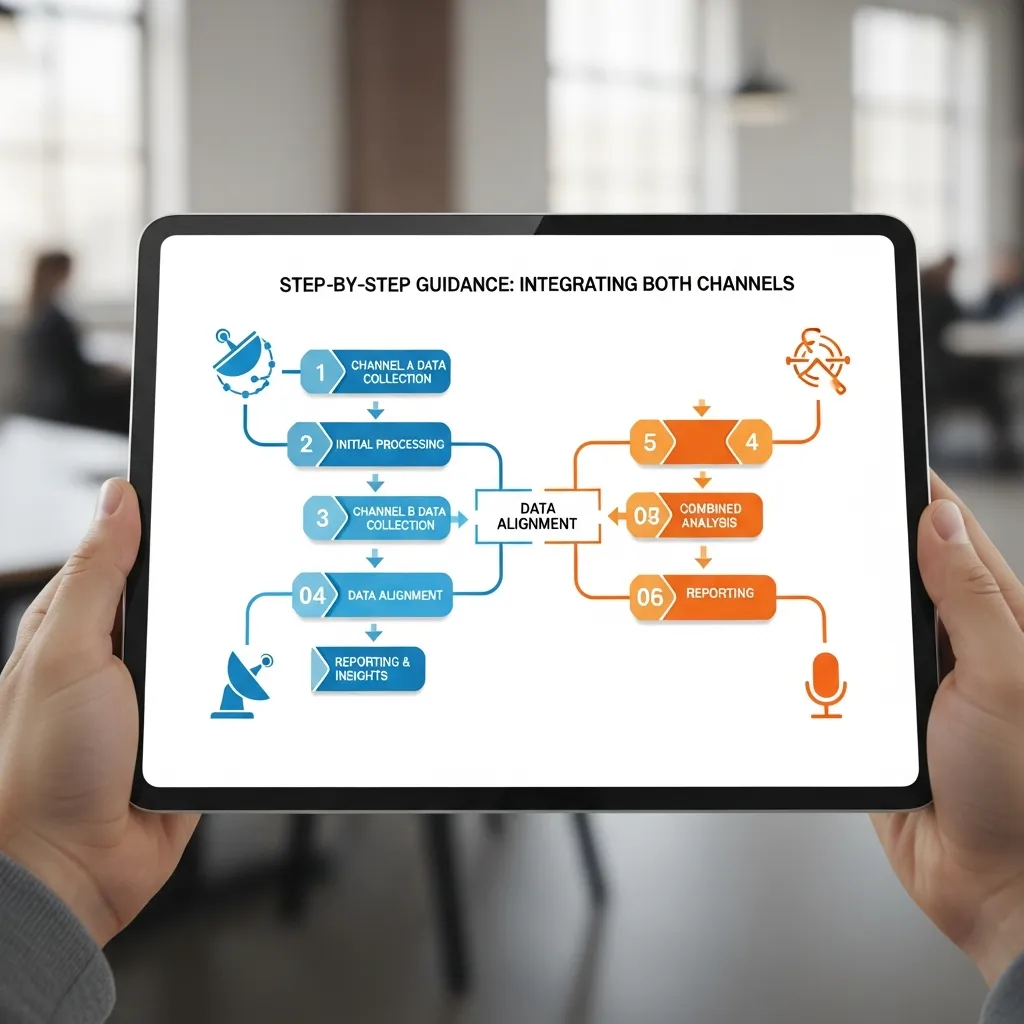
You do not have to choose just one. The best answer to SMS Marketing vs. Email Marketing: Which Is Better? is to use both in harmony. Follow this step-by-step guidance to integrate these channels successfully.
Step 1: Map the Customer Journey
Identify every touchpoint your customer has with your brand. Determine where they need detailed information and where they need a quick nudge. Use email for the heavy lifting, such as welcome sequences and educational content. Use texts for urgent alerts, like abandoned cart reminders and shipping updates.
Step 2: Build a Unified Opt-In Strategy
Collect both email addresses and phone numbers during the signup process. Offer a strong incentive, such as a percentage discount, for providing both pieces of information. Make sure you clearly state what types of messages the user will receive on each channel.
Step 3: Segment Your Audience Strategically
Do not send the exact same message to both channels simultaneously. If you launch a new product, send an email on Monday with beautiful photos and detailed descriptions. On Wednesday, send a text message to the subscribers who did not open the email, offering a quick reminder.
Step 4: Automate Your Workflows
Connect your platforms so they communicate with each other. If a customer purchases a product from an email link, your system should automatically remove them from the follow-up text campaign. Automation ensures you do not annoy your customers with redundant messages.
Comparison Table: Features and Performance
Evaluating SMS Marketing vs. Email Marketing: Which Is Better? becomes easier when you look at the raw data and features. Use this comparison table to understand the core differences.
|
Feature |
Email Marketing |
Text Messaging |
|---|---|---|
|
Average Open Rate |
20% – 25% |
98% |
|
Best Use Case |
Newsletters, long-form content |
Flash sales, urgent alerts |
|
Character Limit |
Virtually unlimited |
160 characters (standard) |
|
Cost Per Message |
Very low |
Low to Medium |
|
Design Capabilities |
High (HTML, images, videos) |
Low (Text, basic images via MMS) |
|
Delivery Speed |
Fast (but read later) |
Instant (read immediately) |
This table clearly shows why asking SMS Marketing vs. Email Marketing: Which Is Better? requires context. Each excels in different areas.
Best Practices for Digital Strategy
To maximize your success, you must follow established best practices for both channels. Ignoring these rules will result in high unsubscribe rates and damaged brand reputation.
Email Best Practices
Write compelling subject lines. The subject line determines whether the user opens your message. Keep it curious and clear. Make sure your emails are mobile-responsive. Most users check their email on their phones, so your design must look great on small screens.
Always include a clear call to action. Tell the reader exactly what you want them to do next. Clean your email list regularly. Remove inactive subscribers to improve your deliverability rates and keep your sender reputation high.
Text Messaging Best Practices
Get explicit consent. Never buy lists or text users who did not opt in. This is a critical legal requirement outlined by organizations like the CTIA. Always identify your brand in the message. Because texts often come from short codes, the user needs to know who is contacting them.
Keep your frequency low. Send only two to four texts per month to avoid annoying your audience. Always provide a simple opt-out method, such as “Reply STOP to cancel.”
Top Tools to Manage Your Campaigns
Managing multiple channels requires robust software. You need tools that offer automation, detailed analytics, and seamless integrations.
For email, consider platforms that offer visual drag-and-drop builders. These tools make it easy to create stunning newsletters without any coding knowledge. Look for software that provides strong deliverability features and A/B testing capabilities.
For text messaging, you need a platform built for speed and compliance. Providers like Twilio offer powerful APIs for custom integrations. Choose a tool that supports both standard texts and multimedia messages (MMS). The best modern platforms allow you to manage both email and texts from a single dashboard, simplifying your digital strategy.
Common Mistakes to Avoid
Even experienced marketers make mistakes when navigating SMS Marketing vs. Email Marketing: Which Is Better?. Avoid these common pitfalls to protect your campaigns.
First, do not overwhelm your audience. Sending too many emails or texts leads to immediate unsubscribes. Respect your customer’s inbox. Create a consistent schedule and stick to it.
Second, do not send generic content. Personalization is key to success. Use the subscriber’s first name, reference their past purchases, and tailor your offers to their specific interests. Generic blasts perform poorly on both channels.
Third, never neglect mobile optimization. If your email looks broken on a smartphone, or if your text message link leads to a slow-loading, non-responsive website, you will lose the sale. Every aspect of your digital strategy must prioritize the mobile experience.
Finally, do not forget to test. Always run A/B tests on your subject lines, text copy, and send times. Data should drive every decision you make regarding SMS Marketing vs. Email Marketing: Which Is Better?.
Conclusion
Determining SMS Marketing vs. Email Marketing: Which Is Better? reveals that both channels provide immense value. Email excels at storytelling and retention, while texting drives instant action. Combine them intelligently to create an unstoppable digital strategy. Ready to boost your revenue? Start integrating both channels into your marketing efforts today and watch your engagement soar.
FAQs
SMS Marketing vs. Email Marketing: Which Is Better for small businesses?
Both channels work incredibly well for small businesses. Email is highly cost-effective for sharing detailed updates, while texting drives immediate local foot traffic and fast sales. Use them together for the best results.
What is the main difference in open rates between the two?
Text messages boast an open rate of nearly 98%, with most read within minutes. Emails typically see open rates between 20% and 25%, depending on the industry and the quality of the subject line.
Can I send the exact same content to both channels?
You should avoid sending the exact same content simultaneously. Adapt your message for the medium. Use email for the full story and detailed images, and use a text message for a short, urgent reminder.
Is text messaging more expensive than email?
Generally, text messaging costs slightly more per message than email. However, because texts have such high conversion rates, the overall return on investment often makes the cost highly justifiable.
How do I get customers to sign up for both?
Offer a compelling incentive on your website, such as a discount code. Ask for their email first, and then offer an additional bonus if they also provide their phone number for urgent text alerts.
What are the legal requirements for text campaigns?
You must obtain explicit, documented consent before sending promotional texts. You must also include clear opt-out instructions in your messages to comply with regulations like the Telephone Consumer Protection Act.
Why do my emails end up in the spam folder?
Emails can hit spam folders due to poor sender reputation, using spam-trigger words in the subject line, or having low engagement rates. Regularly cleaning your list helps improve deliverability.
What is a good frequency for sending promotional texts?
Most successful brands send between two and four text messages per month. Sending more frequently can annoy subscribers and lead to a high volume of opt-outs.
How does personalization work in these campaigns?
Personalization involves using subscriber data to tailor the message. You can insert their first name, recommend products based on past purchases, or send localized offers based on their zip code.
SMS Marketing vs. Email Marketing: Which Is Better for flash sales?
Text messaging is the absolute best choice for flash sales. The immediacy of a text ensures your customers see the time-sensitive offer instantly, driving rapid traffic to your website before the sale ends.
