


The Bulk SMS Market enables businesses to reach large audiences instantly through automated, personalized messaging. With AI, analytics, and omnichannel strategies, it drives engagement, improves communication efficiency, and boosts ROI.
In today’s digital landscape, organizations face the challenge of connecting with large audiences quickly and effectively. With consumers inundated by content across email, SMS, and chat apps, standing out requires more than a one-off broadcast. Currently, businesses of all sizes are turning to Bulk SMS Marketing to streamline communication, personalize touchpoints, and drive timely actions at scale. This year (2026), advances in automation, artificial intelligence, and data analytics have elevated the potential of mass outreach campaigns, enabling teams to craft tailored experiences without overwhelming their resources.
Bulk SMS Marketing bridges the gap between personalized one-to-one engagement and the efficiency of mass communication. By leveraging platforms that support SMS, email, push notifications, and chat applications, organizations can deliver promotions, alerts, or surveys to thousands of recipients with minimal delay. When executed strategically, these initiatives boost open rates, foster stronger relationships, and contribute to measurable growth.
In this article, we will explore foundational concepts, core advantages, actionable strategies, and leading tools for deploying successful bulk messaging campaigns. Additionally, we will review key performance indicators (KPIs) and regulatory considerations critical to maintaining compliance in a constantly evolving framework. Whether you’re new to mass messaging or looking to refine existing efforts, this guide offers insights to unlock optimal engagement and return on investment.
By understanding best practices and emerging trends, you can craft effective mass outreach that resonates with recipients and aligns with business objectives. Let’s begin by defining Bulk SMS Marketing and its role in modern communication strategies.
Defining Bulk Messaging and Its Role in Modern Communication

Bulk messaging refers to the process of sending a high volume of messages to a preselected group of recipients simultaneously. Unlike individual outreach, which requires crafting unique content for each recipient, Bulk SMS Marketing harnesses automation to distribute consistent information across multiple channels such as SMS, email, push notifications, or messaging apps. This method is especially valuable for sharing time-sensitive updates, promotional offers, appointment reminders, and customer surveys with minimal manual effort.
At its core, Bulk SMS Marketing empowers organizations to maintain regular contact with audiences while preserving operational efficiency. Instead of relying on in-house teams to manage thousands of one-to-one interactions, marketing and customer service departments can schedule messages in advance and rely on robust delivery infrastructures. Modern platforms integrate application programming interfaces (APIs) and drag-and-drop editors, making it easier to design, segment, and dispatch communications without advanced technical skills.
Key Communication Channels
Businesses can employ a variety of channels to execute Bulk SMS Marketing initiatives:
- SMS: Provides direct access to mobile devices with high open rates and immediate delivery.
- Email: Ideal for detailed content, rich media, and tracking link clicks for in-depth analytics.
- Push Notifications: Engages users with timely alerts on smartphones or web browsers when opted in.
- Chat App Messages: Uses platforms such as WhatsApp or Facebook Messenger for interactive experiences.
Why Bulk SMS Marketing Matters Today
Data from the Pew Research Center highlights that over 85% of adults check their email daily, and more than 90% engage with mobile messaging applications. These statistics underscore consumers’ preference for quick, concise communication. In today’s digital landscape, failing to leverage Bulk SMS Marketing tactics can result in missed opportunities, lower customer satisfaction, and gaps in the overall customer journey.
By integrating Bulk SMS Marketing into a broader omnichannel strategy, organizations can ensure consistent touchpoints, reinforce brand messaging, and nurture relationships across the buying cycle. Automated workflows allow teams to trigger messages based on user behavior—such as cart abandonment, loyalty milestones, or subscription renewals—thereby delivering relevant content when it matters most.
Moreover, connecting Bulk SMS Marketing platforms with customer relationship management (CRM) systems and analytics dashboards enables marketers to gain deeper insights into user engagement. Real-time tracking of delivery metrics and response behaviors allows teams to refine content strategy and better understand audience preferences.
Key Advantages of Bulk SMS Marketing for Business Growth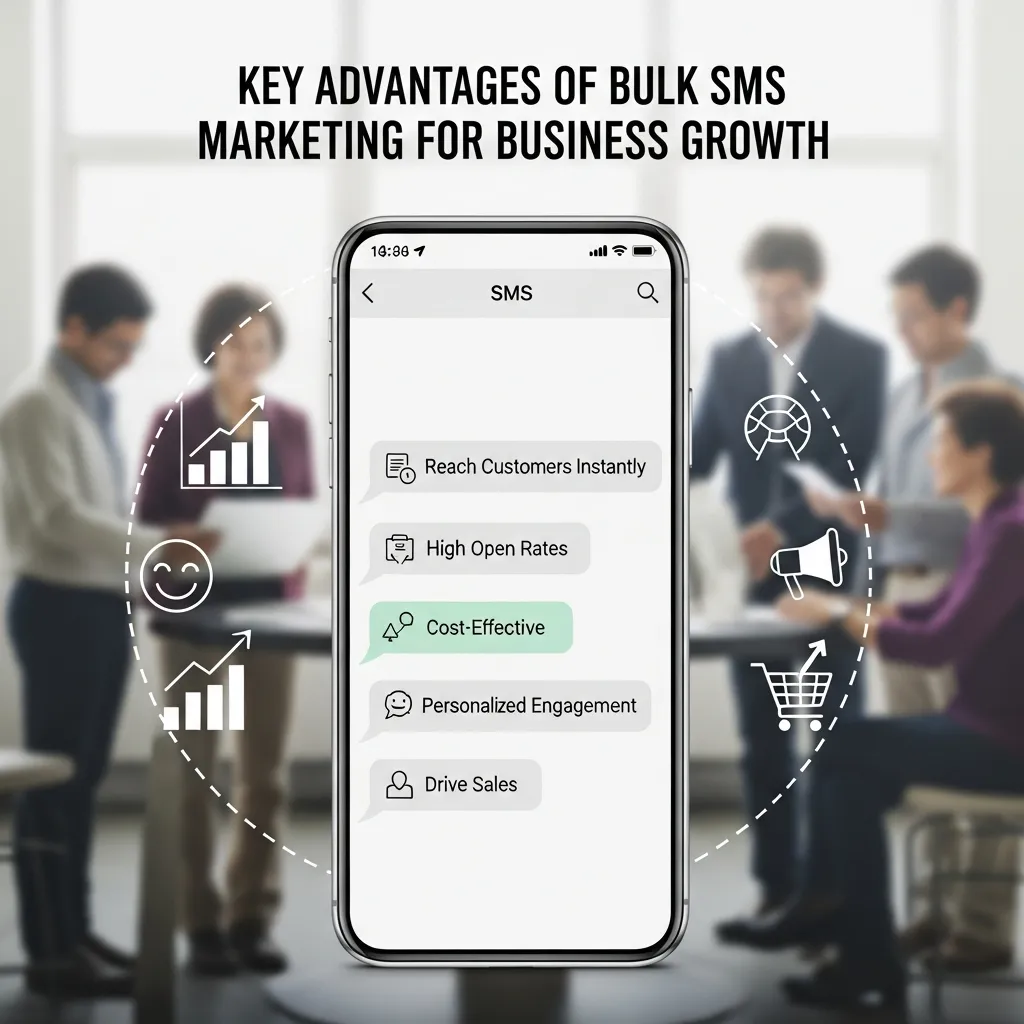
Organizations that harness Bulk SMS Marketing can enjoy a range of benefits that translate into improved customer engagement and operational savings. By aligning communication goals with audience preferences, businesses can optimize outreach efforts and maximize return on investment.
Broad and Instant Reach
Bulk SMS Marketing enables you to send thousands—if not millions—of messages to targeted groups within seconds. Whether announcing flash sales or urgent notifications, this rapid distribution ensures that your content lands in front of customers at the moment it matters most. Statistics from government agencies like the Federal Communications Commission show that text messages have one of the highest open rates compared to other digital channels.
Cost Savings and Scalability
Launching large-scale campaigns through Bulk SMS Marketing drastically reduces the per-recipient cost when compared to traditional direct marketing methods. Email and SMS providers typically offer tiered pricing, allowing businesses to scale up messaging volumes without significant budget increases. Small startups and large enterprises alike can tailor plans to match their messaging requirements and financial constraints.
Improved Customer Engagement
By combining segmentation and personalization with Bulk SMS Marketing, brands can craft more relevant messages that resonate with specific audience segments. Personalized greetings, dynamic product recommendations, and location-based offers help boost open and click-through rates. Today’s tools allow marketers to integrate merge tags—such as recipient names and purchase history—directly into message content.
Automation and Workflow Efficiency
Modern mass messaging platforms offer advanced automation features, including drip campaigns, scheduled sends, and trigger-based notifications. This level of automation frees marketing teams from manual tasks, enabling them to focus on strategy, creative development, and analysis. Coupled with AI-powered content suggestions and send-time optimization, businesses can continuously refine campaigns for better outcomes.
Measurable Performance and Insights
Bulk SMS Marketing solutions provide comprehensive analytics dashboards that display delivery rates, open ratios, click-through metrics, and conversion data in real time. By monitoring these key performance indicators, teams can identify underperforming segments, A/B test subject lines and CTAs, and adjust content strategies dynamically. Seamless integration with analytics platforms or CRM systems ensures all insights feed directly into broader marketing intelligence.
Additionally, adhering to legal requirements builds trust with your audience. By incorporating clear opt-out instructions and respecting consent frameworks—such as GDPR and TCPA regulations—brands protect their reputation and reduce the risk of penalties. Maintaining compliance not only safeguards your messaging program but also reinforces transparency and credibility with subscribers.
Furthermore, Bulk SMS Marketing often integrates seamlessly with other marketing channels—such as social media and web push—creating a cohesive omnichannel experience that nurtures leads and strengthens brand consistency.
Essential Strategies to Enhance Bulk SMS Marketing Campaigns

Developing a successful Bulk SMS Marketing program involves more than dispatching generic content. The following tactics can help ensure your outreach is relevant, compliant, and inspiring action.
Audience Segmentation
Segmenting your subscriber list based on demographics, past purchases, location, or engagement history enables brands to deliver messages tailored to each group’s needs. For instance, sending exclusive promotions to high-value customers or sending appointment reminders to local subscribers enhances relevance and reduces opt-out rates. Leveraging tag-based filters or custom attributes in your messaging platform helps automate this process effectively.
Dynamic Personalization
Beyond using the recipient’s name, modern platforms support dynamic content blocks that adapt entire message sections based on profile data. Recommend products based on past behavior or highlight region-specific events. Rich personalization fosters a sense of one-to-one conversation—even when operating at scale—driving higher engagement and loyalty.
Optimizing Send Times
Utilizing analytics and machine learning, many Bulk SMS Marketing services suggest ideal send windows by analyzing open and click-through trends. Sending messages when recipients are most active can significantly boost performance. Regularly review campaign reports and adjust schedules—this year (2026) saw a 15% lift in engagement for brands that adopted AI-driven timing models.
Concise and Clear Messaging
In a crowded inbox or message feed, brevity wins. Craft headlines and opening lines that clearly convey value, keep body copy concise, and use bullet points or emojis sparingly to draw attention to key offers. A focused message with a single call-to-action reduces friction and guides recipients toward the desired action.
Compelling Call-to-Action (CTA)
Each message should feature a prominent CTA that clearly instructs recipients on the next step—whether it’s “Shop Now,” “Reserve Your Spot,” or “Complete Your Profile.” Experiment with button styles and link placements to find what resonates best with your audience. Align the CTA with campaign goals and ensure that any landing pages are mobile-optimized to maintain momentum.
Regulatory Compliance and Consent
Respecting privacy regulations like CAN-SPAM, TCPA, and GDPR is critical for sustainable Bulk SMS Marketing. Always obtain explicit consent before sending marketing communications and include an easy opt-out mechanism in every message. Refer to guidelines from authorities such as the European Commission to ensure your processes align with current legal requirements.
A/B Testing and Continuous Optimization
Implement split tests on subject lines, message formats, CTAs, and send times to identify the combinations that yield the highest engagement. Review key performance indicators—delivery rate, open rate, click-through rate, and conversion rate—and iterate quickly. Over time, this data-driven approach transforms your Bulk SMS Marketing into a finely tuned communication engine.
By integrating these strategies into your workflow, you can elevate Bulk SMS Marketing from a simple broadcast tool to a precision instrument for nurturing relationships and driving business results.
Top Bulk SMS Marketing Platforms and How to Choose One
Selecting the right platform is a pivotal decision that influences delivery reliability, feature availability, and overall campaign performance. Below are some of the most popular solutions for Bulk SMS Marketing, along with key criteria to guide your evaluation.
Twilio
Twilio offers a robust API-driven approach for developers seeking full customization. With support for SMS, WhatsApp, and programmable voice, it excels in highly technical environments that require tailored workflows. Features include global phone number provisioning, web hook support, and real-time status callbacks. For reference, you can explore their documentation at Twilio Docs.
Mailchimp
Initially known for its email marketing capabilities, Mailchimp has expanded to include SMS functionality and advanced list segmentation. Its intuitive drag-and-drop editor, pre-built templates, and performance reports make it an excellent option for teams that prefer a user-friendly interface without deep coding expertise.
Send Grid
Send Grid specializes in email infrastructure, offering reliable deliverability, sender authentication (SPF, DKIM), and detailed engagement analytics. It also provides an SMTP relay and API for seamless integration with existing applications. Organizations that prioritize high-volume email with scalability often choose Send Grid for its proven uptime and support.
WhatsApp Business API
For businesses looking to leverage conversational messaging, the WhatsApp Business API allows rich media, interactive buttons, and message templates. Its wide adoption makes it a compelling choice for brands aiming to deliver personalized customer service at scale, including shipping updates, appointment reminders, and feedback requests.
Active Campaign
Active Campaign combines email, SMS, and CRM functionalities within a single platform. Automation workflows, conditional branching, and machine learning–based recommendations help marketers send contextually relevant messages. The integrated CRM streamlines lead tracking and sales pipeline management, making it suitable for companies seeking an all-in-one marketing solution.
Criteria for Selection
- Volume Capacity: Assess how many messages you plan to send per month and ensure the platform can accommodate spikes during peak periods.
- Integration Options: Confirm compatibility with your CRM, e-commerce system, and other marketing tools to enable seamless data flow.
- Cost Structure: Compare pricing models—pay-as-you-go versus subscription tiers—and factor in potential add-ons such as dedicated numbers or advanced analytics.
- Compliance Support: Verify that the provider offers built-in compliance features, such as opt-out management and audit logs, to help you adhere to regulations.
Security measures such as end-to-end encryption and data residency options can be crucial, especially for industries handling sensitive information. Confirm the provider’s compliance certifications (e.g., ISO 27001) and evaluate their privacy policies to ensure alignment with your organization’s standards.
By carefully weighing these factors, you can choose a Bulk SMS Marketing platform that not only aligns with your current requirements but also scales alongside your future growth ambitions.
Measuring Success: Analytics, Reporting, and Compliance
Continuous monitoring and analysis lie at the heart of effective Bulk SMS Marketing programs. By tracking relevant metrics and staying abreast of regulatory requirements, teams can refine their strategies, mitigate risks, and demonstrate program value.
Key Performance Indicators (KPIs)
- Delivery Rate: The percentage of messages that successfully reach recipients’ devices. A low delivery rate can indicate issues with carrier filtering, number blocking, or formatting errors.
- Open Rate: For email and in-app notifications, this metric reveals the share of recipients who opened your message. Higher open rates often result from compelling subject lines and relevant content.
- Click-Through Rate (CTR): This measures the ratio of users clicking embedded links versus those who opened the message. CTR helps evaluate the effectiveness of your call-to-action.
- Conversion Rate: Tracks the percentage of recipients who completed a desired action—such as making a purchase or submitting a form—after receiving the message.
- Unsubscribe/Opt-Out Rate: Signals audience fatigue or messaging misalignment when customers choose to stop receiving communications.
Analytics and Reporting Tools
Most Bulk SMS Marketing platforms provide real-time dashboards that visualize delivery timelines, engagement heatmaps, and conversion funnels. Integrating these insights with business intelligence tools or CRM systems enhances cross-channel analysis, enabling you to identify trends and forecast outcomes. Conduct cohort analyses to compare behavior across different segments or campaign iterations, and benchmark performance against industry averages to set realistic targets.
Ensuring Regulatory Compliance
Maintaining compliance with privacy laws and communication standards is essential for sustainable bulk messaging. Regulations like CAN-SPAM in the U.S., TCPA guidelines, and GDPR in Europe impose specific requirements around consent, message identification, and opt-out options. Refer to official resources such as the U.S. Government portal for guidance on federal messaging laws.
Implement the following compliance best practices:
- Obtain explicit opt-in consent before sending marketing messages.
- Include clear unsubscribe or stop instructions in every communication.
- Maintain audit logs of user consent and message history.
- Regularly purge or re-permission inactive subscribers to keep your list healthy.
Interpreting Insights for Continuous Improvement
Data-driven decision-making is key to elevating bulk messaging outcomes. Use A/B testing results to refine subject lines, content structure, and send cadence. When performance dips, conduct root-cause analyses to determine whether timing, list quality, or content relevance is at fault. Over time, iterative refinements based on robust analytics ensure your bulk messaging remains agile and capable of meeting evolving customer expectations.
Leverage predictive analytics to anticipate subscriber behavior and proactively adjust campaign content for maximum relevance.
This year (2026), advances in AI-driven personalization and interactive message formats are reshaping the bulk messaging landscape. By embracing these innovations and grounding campaigns in solid best practices, marketers and customer service teams can achieve higher engagement, improved loyalty, and measurable ROI. With a convergence of strategic planning, the right tools, and continuous optimization, Bulk SMS Marketing stands ready to drive sustainable growth and meaningful customer interactions.
Ultimately, Bulk SMS Marketing represents a powerful intersection of technology and communication strategy. When brands invest in proper audience targeting, engaging copy, and reliable delivery mechanisms, they can cut through the noise and deliver real value. Whether initiating a seasonal promotion or sending critical alerts, a thoughtfully executed mass messaging campaign can strengthen brand credibility and cultivate long-term customer relationships.
Frequently Asked Questions (FAQs) – Bulk SMS Market
1. What is the Bulk SMS Market?
The Bulk SMS Market refers to the industry that provides services and platforms for sending large volumes of SMS messages to targeted audiences for marketing, alerts, and communication purposes.
2. Why is the Bulk SMS Market growing rapidly?
The market is expanding due to high mobile usage, instant message delivery, cost-effectiveness, and increasing adoption of digital marketing strategies by businesses worldwide.
3. How effective is bulk SMS marketing compared to email?
Bulk SMS typically has higher open rates (often above 90%) and faster response times than email, making it highly effective for time-sensitive campaigns.
4. Which industries benefit the most from the Bulk SMS Market?
Industries such as e-commerce, banking, healthcare, education, and retail benefit greatly from bulk SMS for notifications, promotions, and customer engagement.
5. What are the key features of bulk SMS platforms?
Common features include automation, scheduling, personalization, API integration, delivery tracking, and analytics dashboards.
6. Is bulk SMS marketing cost-effective?
Yes, bulk SMS is one of the most affordable communication channels, offering low cost per message and high ROI compared to traditional marketing methods.
7. What regulations affect the Bulk SMS Market?
Regulations such as GDPR, TCPA, and CAN-SPAM require businesses to obtain user consent, provide opt-out options, and ensure data privacy compliance.
8. How can businesses improve bulk SMS campaign performance?
Businesses can enhance performance through audience segmentation, personalized messaging, optimal timing, A/B testing, and clear call-to-actions.
9. What are the latest trends in the Bulk SMS Market (2026)?
Key trends include AI-driven personalization, automation, integration with CRM systems, omnichannel marketing strategies, and real-time analytics.
10. How do I choose the best bulk SMS service provider?
Consider factors such as pricing, scalability, delivery rates, API support, compliance features, and integration capabilities with existing systems.
